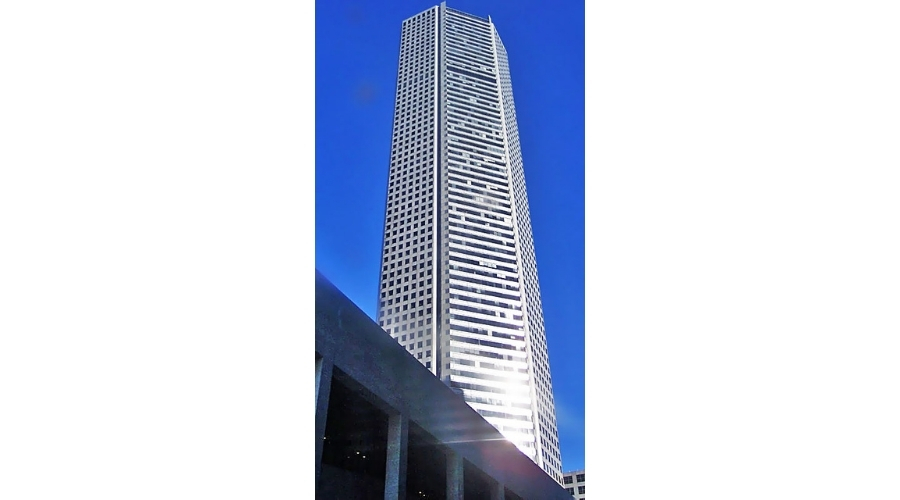
Why Skyscraper Skylines Still Define Pop Culture
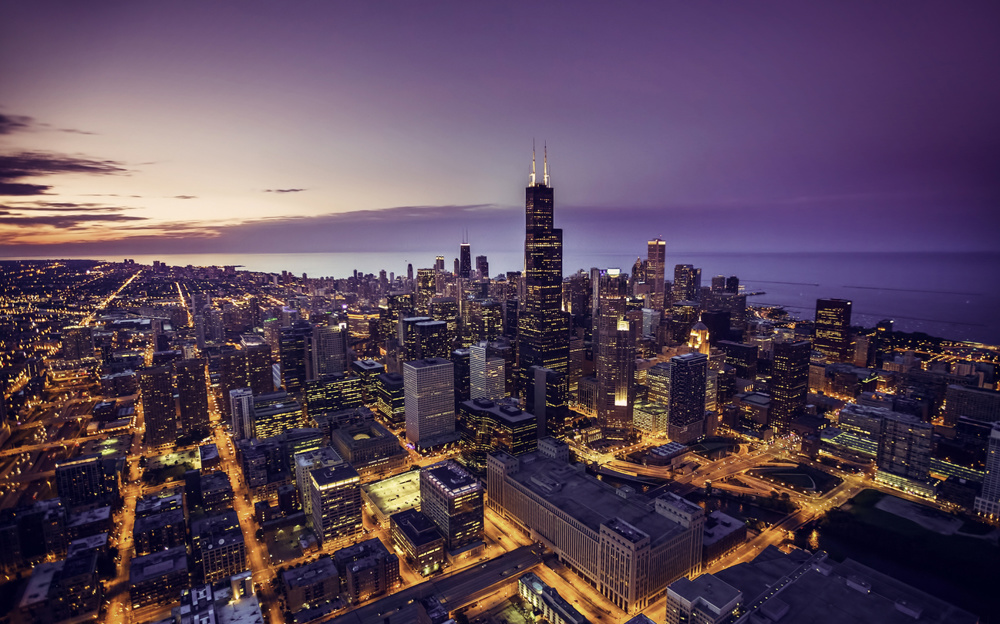
Cities once defined themselves through monuments, churches, or public squares. Today, many define themselves vertically. Manhattan, Hong Kong, Dubai, Singapore, and Tokyo aren’t just places anymore — they are visual brands recognized across the world. Their skylines communicate power, aspiration, modernity, and myth in seconds.
What makes this especially fascinating is that skylines rarely stay confined to architecture. They become stages for superheroes, symbols in immigrant stories, backdrops for music videos, and settings for futuristic fantasies. Pop culture keeps returning to them because they represent something bigger than buildings: the idea of becoming something larger than yourself.
Why Certain Skylines Trigger Immediate Emotional Recognition
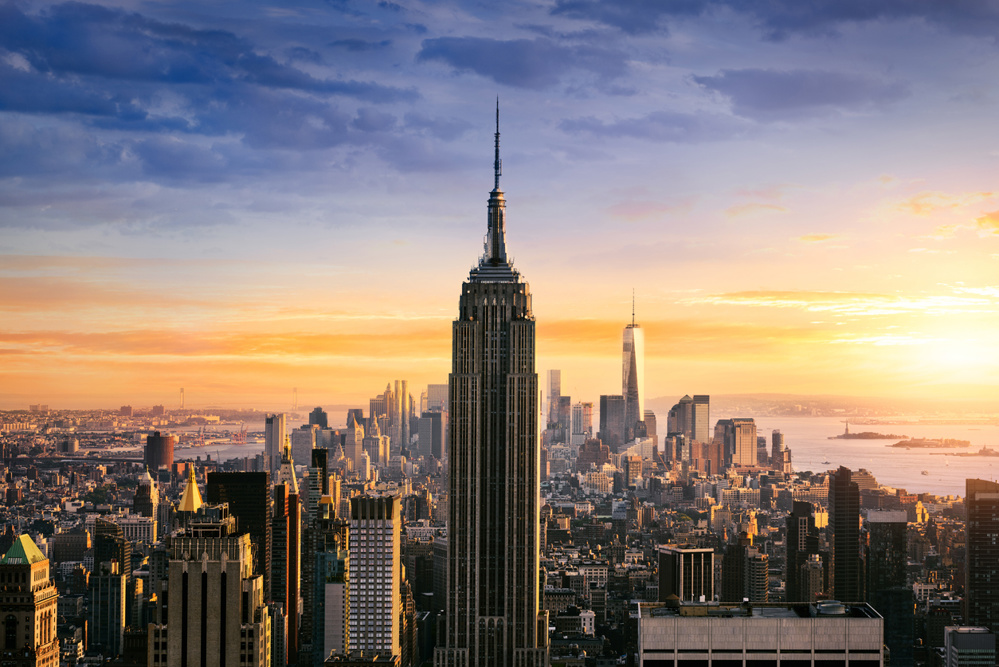
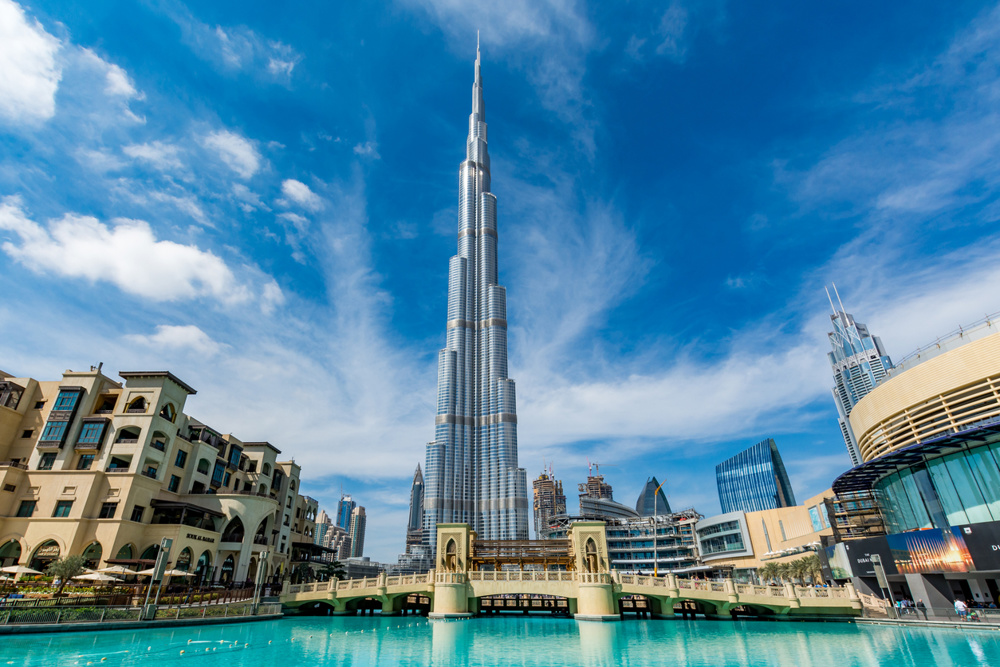
When you see the Empire State Building rising above Manhattan or the Burj Khalifa cutting through Dubai’s haze, recognition happens almost instantly. Your brain doesn’t slowly analyze every structure. Instead, it processes the skyline as a single emotional image shaped by years of cultural exposure.
Cinema plays a major role in building that connection. Decades of films and television have trained audiences to associate specific skylines with specific emotions. New York often signals ambition, chaos, reinvention, or resilience. Hong Kong evokes speed and density. Los Angeles suggests glamour and illusion. Gotham City’s towering darkness reflects fear and corruption, while futuristic skylines in Blade Runner turned neon skyscrapers into visual shorthand for technological anxiety.
These reactions aren’t purely instinctive. They’re learned through repetition. The more audiences see a skyline attached to emotional moments in media, the more symbolic power it gains. Over time, skylines stop functioning as simple geography and begin functioning like cultural memory.
How Steel and Elevators Built the Skylines We Recognize Today
Steel didn't just reshape architecture—it rewrote what cities could become. Before the Bessemer Process slashed production costs in 1856, building upward was financially impossible. Once steel became affordable, architects like William Le Baron Jenney proved its potential with Chicago's Home Insurance Building in 1885—10 stories of vertical columns and horizontal beams that changed everything.
Steel innovation alone, though, wasn't enough. Without elevator integration, taller buildings were simply impractical. Elisha Otis's safety elevator, combined with faster electric systems, made upper floors genuinely accessible. As buildings grew taller, elevator economics actually improved, pushing developers toward even greater heights.
You're looking at skylines today that exist because these two breakthroughs arrived together. Steel built the frame; elevators made it livable. Neither worked without the other. The materials that came before steel, including stone and brick, simply couldn't handle the compressive strength demands placed on lower levels as buildings pushed higher.
Check out MrPopCulture.com and learn more about pop culture trends in skyscrapers and architecture.
Why Futuristic Skylines Became the Visual Language of the Future
Few visual shortcuts are as effective in pop culture as the futuristic skyline. When filmmakers want audiences to immediately understand that they are looking at “the future,” they almost always turn to towering skylines filled with glowing windows, elevated transit systems, holographic advertisements, and impossible vertical density.
Blade Runner remains one of the clearest examples. Its dark megacity skyline combined skyscrapers with industrial haze, giant digital billboards, and overwhelming scale to create a future that felt technologically advanced but emotionally exhausted. That visual language influenced decades of science fiction afterward, including Ghost in the Shell, Cyberpunk 2077, The Fifth Element, and countless anime depictions of Neo-Tokyo-inspired cities.
These fictional skylines matter because they reflect real cultural anxieties. Dense vertical cities often symbolize fears about surveillance, inequality, corporate dominance, and alienation. At the same time, they also represent excitement about innovation and progress. The same skyline can feel inspiring and oppressive simultaneously.
The City Skylines That Defined Pop Culture on Film and TV
Film and television transformed skylines into emotional storytelling devices long before social media existed. Directors learned that a skyline could establish mood faster than dialogue ever could.
New York became perhaps the most iconic cinematic skyline in history because it could adapt to nearly every genre. In Spider-Man, Manhattan feels energetic and alive, turning skyscrapers into playgrounds for heroism. In romantic comedies, the skyline becomes aspirational and intimate. In disaster films, it becomes fragile and vulnerable.
San Francisco’s fog-covered skyline helped define the psychological unease of Vertigo, while Chicago’s towering architecture shaped the atmosphere of films like The Dark Knight. Hong Kong’s skyline became essential to action cinema because its density and layered neon lighting created visual intensity unmatched by most cities.
Television reinforced these identities. Friends transformed Manhattan into a symbol of youthful independence. Sex and the City turned New York into a luxury fantasy. Miami Vice helped popularize neon-lit coastal skylines as symbols of style and excess during the 1980s.
Why Immigrant Stories Keep Returning to the City Skyline
There's a reason immigrant stories keep returning to the skyline — it does what no single image can replicate: it holds the promise and the pain in the same frame. From Tijuana's border camps, where migrants stare at San Diego's shimmering outline across mud and policy walls, to Venezuelan families gazing at New York after three months through jungle terrain, skyline symbolism carries impossible weight.
Immigrant perspectives consistently frame these vertical horizons as motivation — something to endure hardship for. Yet arrival rarely matches the vision. Families reach New York only to face moldy food and inadequate shelter beneath that same celebrated skyline.
Artists recognize this tension too, using public installations and portrait campaigns to transform skylines from distant promises into honest, complex narratives of resilience, belonging, and the cost of crossing. One Venezuelan migrant, now sheltered at the Skyline Hotel in Hell's Kitchen, made the journey with his wife and eight-year-old daughter, hoping to find construction work in the city.
Why Musicians Keep Writing Songs About City Skylines
Musicians return to skylines because cities naturally amplify emotion. Songs about urban landscapes often use skylines as metaphors for ambition, heartbreak, loneliness, or escape. Frank Sinatra’s New York celebrated the city as a place where reinvention felt possible. Jay-Z and Alicia Keys transformed Manhattan into a symbol of hunger, success, and survival in Empire State of Mind.
Electronic artists frequently use glowing city imagery to evoke nighttime isolation and emotional distance. Skylines work particularly well in music because they feel cinematic even without visuals. Mentioning city lights, rooftops, or distant towers instantly creates atmosphere. Audiences already carry emotional associations with those images through film and photography.
Modern music videos strengthen that relationship further. Drone shots of skylines have become a common visual language across hip-hop, pop, and electronic music because they communicate scale, aspiration, and status immediately. Luxury penthouses overlooking major skylines now function almost like genre conventions.
How Artists and Photographers Turn Skylines Into Identity Statements
Skyline-gazing isn't passive—artists have long weaponized it. When Tseng Kwong Chi posed in a Mao suit before the Eiffel Tower and Golden Gate Bridge, he wasn't sightseeing. He was staging landmark dialogues that forced questions about diplomacy, belonging, and cultural identity. His persona silhouettes against iconic backdrops became sharp political satire.
You see this pattern repeat across different lenses. Genesis Báez fragments herself—hands, feet, silhouettes—against light and landscape to map diasporic belonging. Laura Aguilar placed nude female bodies within Indigenous landscapes, directly countering the Victorian male gaze that once controlled those spaces. Sam Contis linked personal identity formation to California's high desert terrain.
Each artist treats the skyline or landscape not as backdrop but as argument—a visual declaration of who gets to claim space and why. Jialin Yan's return to Fuzhou demonstrated how photographing familiar places can serve as a catalyst for rebuilding closeness and processing personal trauma through quiet, contemplative imagery.
How Video Games and Ad Campaigns Use Skylines to Sell Fantasy
Where artists wield skylines as political arguments, marketers and game designers wield them as seduction. Cities: Skylines lets you shape fantasy billboards of urban ambition, managing zoning, traffic, and budgets across gameplay vistas that've sold over twelve million copies worldwide. Its 2023 sequel arrived with mixed reviews, but the original proved that simulated skylines carry real commercial pull.
Fabledom pushes further, dropping you into fairytale cities where heroes and witches populate your cozy skyline fantasies. Faire Trade builds enchanting worlds from shop expansions outward, making skyline-building feel intimate rather than civic. Steam's seasonal sales discount these titles aggressively, letting you experiment across multiple fantasy urban worlds cheaply.
The pitch is consistent: skylines don't just represent cities—they represent aspiration, and selling that aspiration keeps both game studios and advertisers thriving. Cities: Skylines itself was developed by Colossal Order and built from the ground up with modding support, accumulating over 200,000 user-created items by February 2020 that extended and deepened its aspirational urban canvas.
Why Social Media Turned Skylines Into Personal Brands
Skylines once belonged mostly to filmmakers, postcard photographers, and tourism campaigns. Social media changed that completely by turning ordinary users into constant city image-makers. Platforms like Instagram, TikTok, and YouTube transformed skylines from distant cultural symbols into everyday personal branding tools.
Today, posting a skyline is rarely just about showing a location. It communicates lifestyle, ambition, taste, and identity all at once. A sunset overlooking Manhattan signals something different from a rooftop in Dubai or a neon-lit street in Tokyo. Users carefully frame these backgrounds because skylines now function as social shorthand for success, adventure, sophistication, or creative freedom.
This shift has changed how cities present themselves globally. Urban planners, tourism boards, luxury developers, and influencers all compete for visually recognizable architecture that performs well online. Observation decks, rooftop bars, infinity pools, and glass towers are increasingly designed with photography and viral visibility in mind. In some cities, skyline visibility itself has become part of the economic strategy.
Which City Skylines Still Dominate Global Pop Culture Today?
Some skylines continue dominating pop culture because they balance recognizability with symbolism. New York remains unmatched in cultural influence because its skyline represents multiple narratives simultaneously: ambition, resilience, finance, creativity, immigration, and celebrity. Decades of films, music, and television have turned Manhattan into a global myth as much as a physical place.
Dubai represents a different type of skyline mythology. Its towers symbolize spectacle, luxury, and engineered ambition. The city often appears in action films and influencer culture because its architecture feels almost intentionally cinematic. Hong Kong’s skyline remains visually influential because of its density and dramatic geography, while Singapore’s Marina Bay Sands has become one of the most recognizable modern architectural landmarks in the world.
Tokyo continues shaping futuristic urban aesthetics globally, especially through anime, gaming, and cyberpunk-inspired media. Meanwhile, cities like Toronto, Shanghai, and Seoul are increasingly expanding their cultural visibility through rapidly evolving skylines and entertainment industries.
Conclusion
The next generation of skylines may not be defined only by height. As cities evolve alongside artificial intelligence, climate adaptation, and hyper-digital media, skylines are becoming interactive cultural surfaces rather than static architecture. Buildings are already turning into programmable displays covered in responsive lighting, digital advertisements, and massive LED facades.
Future skylines may function less like permanent monuments and more like living media systems. Augmented reality could layer virtual architecture over physical cities, allowing skylines to transform differently for every viewer. Drone networks, holographic advertising, vertical farms, climate-responsive towers, and AI-managed infrastructure may reshape what urban identity even looks like.