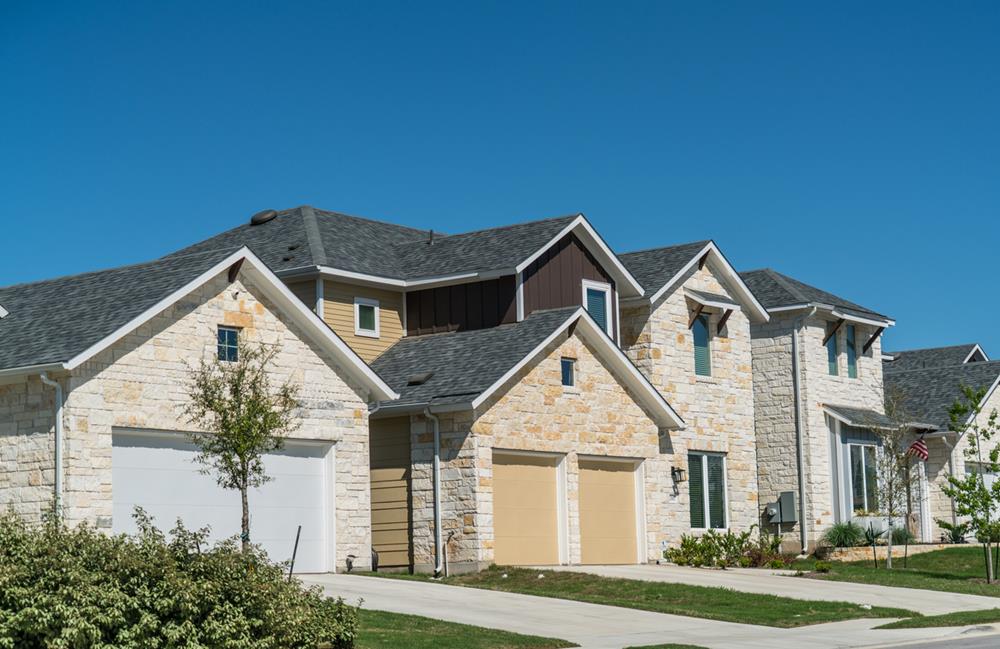
A Texas Historic Sites Calendar for Readers Who Love Design and Travel

If you love architecture, road trips, and beautifully designed printed objects, a Texas historic sites calendar offers more than a way to keep track of dates. It becomes part travel guide, part design piece, and part invitation to explore the state through its landmarks, landscapes, and preserved towns. The best 2026 Texas calendars blend striking visuals with real destinations, turning each month into a reminder of somewhere worth visiting.
Texas is uniquely suited for this kind of calendar because its historic sites stretch across radically different environments. One month might feature a restored courthouse in the Hill Country, while the next highlights desert architecture in West Texas or a Gulf Coast battleground tied to the Texas Revolution. Together, these locations create a visual map of the state’s identity through architecture, preservation, and regional culture.
What Makes a Texas Historic Sites Calendar Worth Buying?
A strong Texas historic sites calendar succeeds because it combines visual appeal with genuine sense of place. The best versions are not generic scenic calendars filled with interchangeable landscapes. Instead, they focus on sites with architectural character, cultural history, and regional identity.
Historic courthouses, restored theaters, Spanish missions, frontier forts, and preserved downtowns all tell different stories about Texas development. Seeing those landmarks month by month creates a broader understanding of how varied the state actually is. A calendar centered on Texas heritage becomes more interesting when every image feels connected to a larger narrative rather than functioning as standalone decoration.
Design also matters more than many people realize. Calendars stay visible year-round, which means layout, typography, paper quality, and image selection shape how enjoyable they are to live with daily. Some calendars lean into clean photography with minimal text, while others use illustrated styles inspired by retro travel posters or midcentury tourism design.
The Two 2026 Texas Calendars Worth Your Wall Space
When it comes to 2026, two Texas calendars stand out from the rest. The first delivers 12 gouache-style illustrated scenes with a midcentury design sensibility, capturing iconic cities, natural wonders, and beloved small towns. It pairs striking artwork with travel content, including road trip itineraries, notable events, and useful websites that turn each month into a planning opportunity.
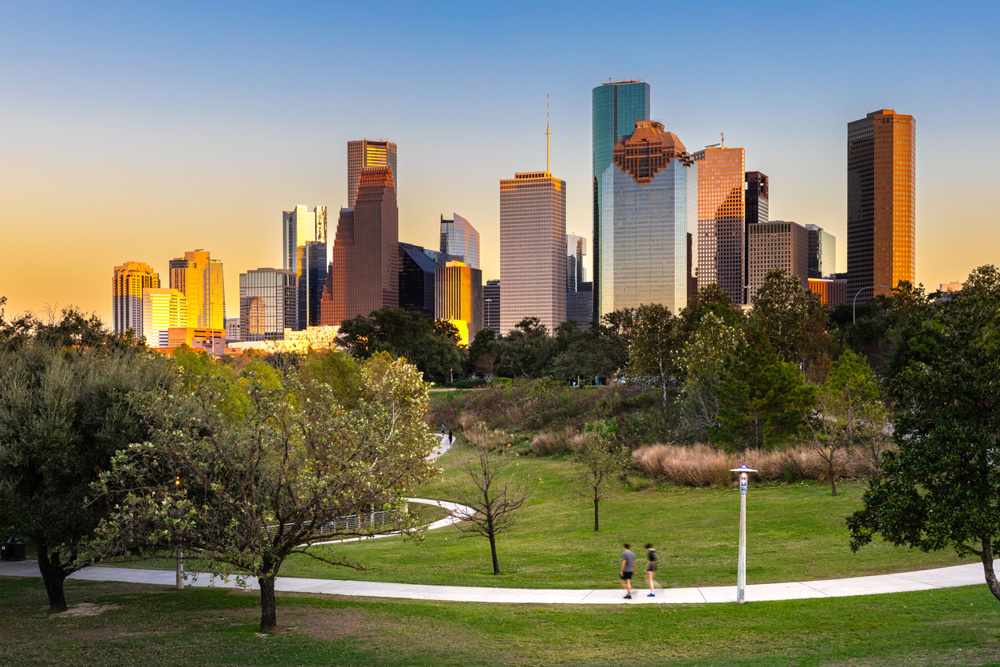
The second is the Texas Highways photography calendar, featuring 13 images from the state's most gifted photographers. It captures dramatic canyons, flowing rivers, prairies, and modern skyscrapers in large-scale format. Both calendars earn their wall space by combining visual quality with genuine travel utility throughout the year.
A third option worth noting is the Texas Travel and Events 2026 Wall Calendar from Willow Creek Press, a 12 x 12 format that includes moon phases, major holidays, and travel suggestions alongside each monthly image. For those who enjoy exploring a variety of planning tools online, sites like onl.li offer online calculators and games that complement the organizational mindset a well-designed calendar inspires.
What the 2026 Texas Calendars Actually Show
The most compelling Texas historic sites calendars avoid repetition by showcasing different regions, architectural styles, and cultural environments throughout the year. Instead of presenting Texas as a single visual identity, they reveal how dramatically the state changes from one region to another.
Some months focus on monumental architecture, including domed courthouses, restored train depots, or historic hotels built during Texas oil booms. Others highlight landscapes tied to preservation efforts, such as Spanish missions, historic ranches, or Civil War-era sites. Urban scenes often feature Art Deco towers, neon theater marquees, or revitalized downtown districts that blend old and new design influences.
Seasonal photography also changes the tone of each month. Bluebonnet fields and courthouse squares dominate spring imagery, while summer pages may shift toward rivers, desert highways, or Gulf Coast sunsets. Autumn often emphasizes historic small towns and weathered architecture, giving the calendar a stronger sense of atmosphere as the year progresses.
How the Photos Work as a Travel Planning Tool
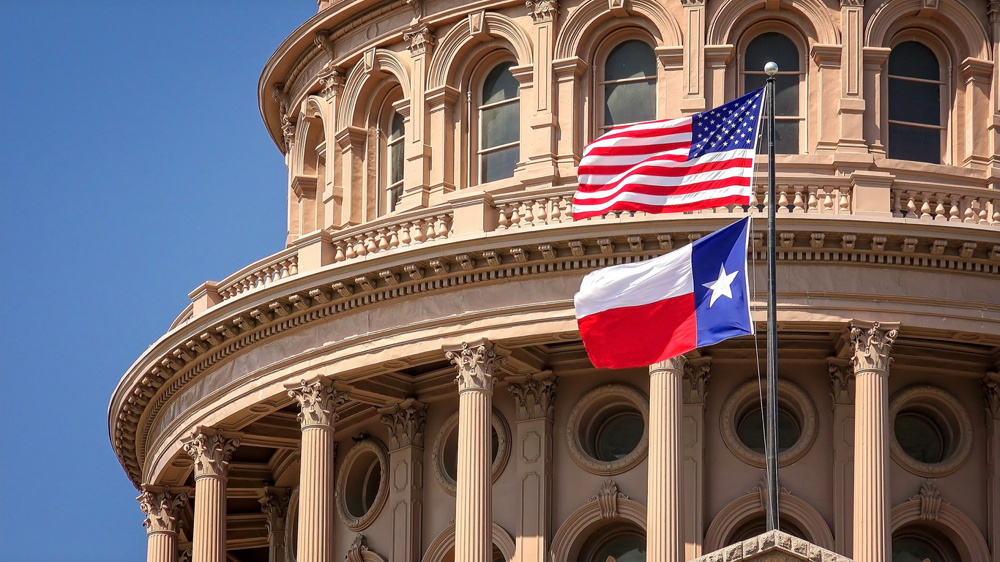
One of the most appealing aspects of a Texas historic sites calendar is how naturally it encourages travel planning. A single photograph can turn into an entire weekend itinerary. Seeing a restored courthouse, historic mission, or desert town often sparks curiosity about the surrounding region.
Readers begin researching nearby restaurants, scenic drives, museums, hiking trails, or historic districts connected to the featured site. In that sense, the calendar works almost like a visual roadmap. Many calendars now support this experience through QR codes, travel apps, or regional guide references that help readers explore locations further. Instead of simply admiring a photograph, travelers can build actual trips around the places featured each month.
This approach works especially well in Texas because driving culture is deeply tied to the state’s identity. Road trips naturally connect historic landmarks, diners, preserved downtowns, roadside architecture, and regional landscapes into one continuous experience. The calendar becomes less about scheduling appointments and more about gradually building a list of future destinations. For readers who enjoy slower travel, this creates a year-long rhythm of discovery. Each month introduces another place worth exploring.
Create your own travel calendar to plan adventures and remember important trip dates.
Historic Sites Worth Visiting From the Calendar Photos
Many of the sites featured in Texas historic calendars are worth visiting precisely because they preserve physical traces of different eras of the state’s history. San Jacinto Battleground remains one of the most historically significant locations in Texas, combining monument architecture with marshland landscapes tied to the Texas Revolution.
Washington-on-the-Brazos offers a completely different atmosphere, with preserved buildings and living-history spaces that feel quieter and more reflective. West Texas locations often stand out visually because of their relationship with landscape. Marfa combines minimalist art spaces with desert architecture and open highways, while frontier forts throughout the region reveal how isolated many settlements once were.
Smaller towns frequently provide the most memorable architecture. Historic courthouse squares across Central Texas preserve late nineteenth- and early twentieth-century design styles that larger cities often lost during redevelopment. Restored theaters, old hotels, brick storefronts, and vintage signage give these places a layered visual identity that feels increasingly rare.
Why Texas Courthouse Architecture Dominates So Many Calendars
Texas courthouses appear repeatedly in travel calendars because they are among the state’s most visually distinctive historic structures. Their domes, clock towers, arches, and stone facades immediately create recognizable focal points within photographs.
Many courthouse buildings were designed during periods of rapid regional growth in the late nineteenth and early twentieth centuries. Counties invested heavily in architecture because courthouses symbolized civic ambition, prosperity, and permanence. As a result, even relatively small towns often possess remarkably elaborate buildings.
Photographers are drawn to these structures because they anchor entire streetscapes visually. Courthouse squares naturally create symmetry, depth, and atmosphere within travel photography. Seasonal decorations, local festivals, and changing light conditions also make them visually dynamic throughout the year.
Which Heritage Trail Regions Appear in the Photos
The Texas Heritage Trails Program spans 10 distinct regions across the state, and the calendar's photos pull from several of them. You'll spot representation from regions known for roadside architecture, military forts, and cultural landmarks, including:
- Texas Forts Trail Region – the program's first established region in 1998
- Texas Mountain Trail Region – covering rugged western landscapes
- Texas Forest Trail Region – showcasing eastern Texas heritage
- Texas Brazos Trail Region – highlighting Central Texas courthouses and museums
- Texas Lakes Trail Region – anchored by the Dallas/Fort Worth Metroplex across 31 counties
Each region develops unique programming based on local character. The calendar captures that variety, giving you a visual tour of Texas history before you ever plan your first drive. The Plains Trail Region alone covers 52 counties of short grass prairie and spectacular canyon vistas, hinting at just how much ground the full trail system covers.
How to Plan Your First Calendar Site Visit
Planning a trip around a calendar image works best when you focus on one region at a time rather than trying to cover too much distance too quickly. Start by choosing a landmark or town that genuinely interests you visually. Then build outward from it. Look for nearby historic districts, scenic drives, local restaurants, museums, or parks that can turn a single stop into a full weekend itinerary.
Texas road trips work especially well when they allow time for unexpected discoveries. Small towns often contain restored storefronts, murals, vintage signs, old gas stations, or diners that never appear in official travel guides but become highlights of the trip itself.
Travel timing matters too. Spring and fall usually provide the best conditions for exploring courthouse squares, walking historic districts, and driving scenic highways comfortably. Seasonal festivals can also add another layer to the experience. The goal is not simply checking landmarks off a list. It is experiencing how architecture, landscape, and regional culture connect across different parts of Texas.
Turn Your Texas Historic Sites Calendar Into a Year of Real Travel
Your Texas Historic Sites Calendar can do more than mark the days — it can map out an entire year of real adventures across the state. Match each month to an experience worth chasing, from roadside architecture to seasonal festivals:
- February – Add love locks to a desert fence in Valentine, Texas
- March – Explore Donald Judd's restored Marfa spaces and furniture collections
- April – Attend Real Places 2025 in Austin, virtually or in person
- October – Board the renovated Battleship Texas museum
- Year-round – Follow historical marker routes through courthouses and small-town landmarks
Texas Time Travel's trip planners and Google Maps help you connect these stops efficiently. Whether you visit one site or fifty, every month offers something worth crossing off your list. With over 100 speakers and more than 50 workshops, Real Places 2025 draws preservation experts from across Texas and the U.S. each April.
Conclusion
A Texas historic sites calendar ultimately works best when it becomes more than decoration on a wall. The strongest ones turn architecture, photography, and regional history into a year-long invitation to explore the state more intentionally. Each image captures a different version of Texas — from desert art towns and courthouse squares to restored theaters, missions, and coastal landmarks.
As travel increasingly shifts toward fast digital content and algorithm-driven recommendations, these calendars offer something slower and more immersive. They encourage readers to notice design details, appreciate preservation, and build trips around places that still carry visible traces of Texas history. In that sense, the calendar becomes less about organizing days and more about shaping the way people experience the landscapes.