San Antonio’s Old & New Architecture Worth Visiting
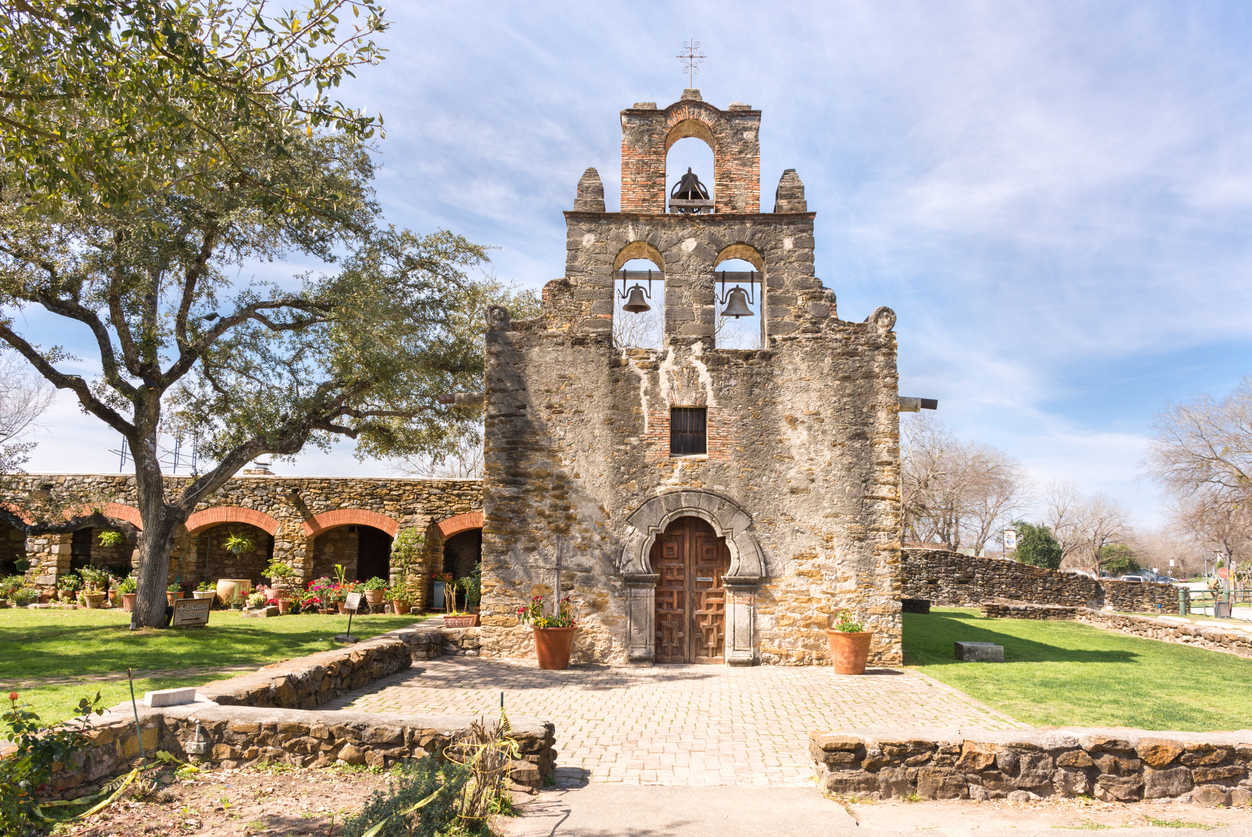
San Antonio’s architectural landscape reflects over three centuries of cultural influence, blending Spanish colonial heritage with Victorian elegance and modern urban design. From the historic missions along the river to early skyscrapers and preserved neighborhoods, the city offers a rich mix of old and new architecture worth exploring.
Spanish Colonial Missions: San Antonio's Oldest Architecture
View this post on Instagram
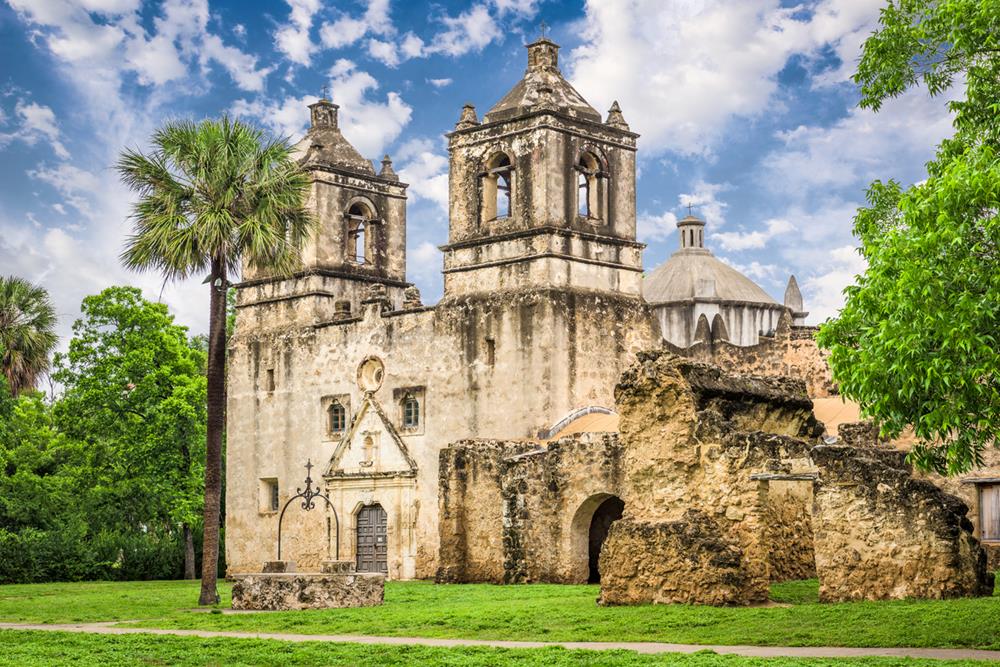
San Antonio’s architectural story begins with the San Antonio Missions, a UNESCO World Heritage Site that includes Mission Concepción, Mission San José, Mission San Juan Capistrano, and Mission Espada. These 18th-century structures showcase Spanish Colonial design, built with limestone, stucco, and locally sourced materials. Mission Concepción is one of the best-preserved examples, still displaying original frescoes, while Mission San José, known as the “Queen of the Missions,” features intricate stone carvings including the famous Rose Window. Mission Espada remains notable for its historic aqueduct system, one of the oldest functioning irrigation systems in the United States. These sites reflect a blend of Spanish, Indigenous, and regional influences that shaped early Texas architecture.
San Fernando Cathedral and Spanish Colonial Heritage
View this post on Instagram
Located in Main Plaza, San Fernando Cathedral is one of the oldest continuously active religious communities in the United States, founded in 1731. While much of the original structure was expanded and remodeled in the late 19th century in Gothic Revival style, elements of the early Spanish Colonial church remain. The cathedral continues to serve as the seat of the Archdiocese of San Antonio. Visitors can also experience “The Saga,” a light projection show that highlights the city’s history on the cathedral’s façade in the evenings.
Spanish Governor's Palace: Colonial Residential Design
The Spanish Governor’s Palace, completed in 1749, is widely regarded as the best-preserved example of Spanish Colonial civil architecture in Texas. Originally serving as the residence for the presidio captain, the structure features:
- A central courtyard layout
- Thick limestone walls designed for natural cooling
- Decorative stonework and carved doorways
Located near Market Square, it provides insight into early residential and governmental architecture during Spanish rule.
Bexar County Courthouse: Romanesque Revival Landmark
View this post on Instagram
The Bexar County Courthouse, completed in 1896, is one of San Antonio’s most recognizable civic buildings. Designed by James Riely Gordon, the courthouse features:
- Romanesque Revival architecture with rounded arches
- A distinctive red sandstone façade and granite details
- A central dome that dominates the surrounding skyline
The building remains in use today and stands as a key example of late 19th-century Texas courthouse design.
First National Bank Building and Historic Commercial Architecture
View this post on Instagram
The First National Bank Building (1886) reflects San Antonio’s growth during the late 19th century. Designed by architect Cyrus L.W. Eidlitz, the building incorporates Moorish Revival elements, including arched windows and decorative detailing. It represents the city’s early commercial expansion and remains part of downtown’s historic architectural fabric.
Tower Life Building and Early Skyscraper Design
Completed in 1929, the Tower Life Building is one of San Antonio’s most iconic early skyscrapers. Designed in a neo-Gothic style, the building features:
- An octagonal design
- Decorative terra-cotta detailing
- A distinctive green roof
Once the tallest building in the city, it remains a defining feature of the downtown skyline and reflects the growth of urban architecture during the early 20th century.
Modern Architecture: Pearl District, Frost Tower, and New Urban Design
San Antonio’s skyline continues to evolve with bold, contemporary architecture that complements its historic foundation. One of the most striking additions is the Frost Tower, a 23-story skyscraper completed in 2019 and the first new downtown office tower built in nearly 30 years. Designed by Pelli Clarke Pelli Architects, the tower features a distinctive faceted glass exterior and illuminated crown, creating a modern visual landmark along Houston Street. Its placement near San Pedro Creek and the River Walk reflects the city’s shift toward walkable, mixed-use urban development. Equally influential is the Pearl District, a revitalized brewery complex transformed into one of San Antonio’s most dynamic architectural destinations. Here, industrial-era structures have been adaptively reused into restaurants, boutique hotels, and cultural spaces, blending historic brick buildings with contemporary design elements. Together, these developments highlight how San Antonio balances preservation with innovation, creating a cityscape where historic missions and modern glass towers coexist.
Historic Districts and Neighborhood Architecture
View this post on Instagram
San Antonio’s architectural diversity is best experienced through its historic neighborhoods. King William Historic District features 19th-century Victorian homes built by German immigrants, while Monte Vista showcases early 20th-century styles including Tudor Revival, Neoclassical, and Mediterranean influences. Lavaca, one of the city’s oldest neighborhoods, offers smaller historic homes with distinctive character, and La Villita Historic Arts Village preserves early structures now used as galleries and cultural spaces. These districts highlight the city’s transition from colonial settlement to a thriving modern community.
San Antonio’s Architectural Styles at a Glance
San Antonio’s built environment reflects a blend of styles shaped by different eras:
- Spanish Colonial: Missions and early civic structures
- Gothic Revival: Cathedral expansions and ecclesiastical buildings
- Romanesque Revival: Civic landmarks like the courthouse
- Victorian and Early 20th Century: Residential districts and mansions
- Modern and Adaptive Reuse: Renovated historic buildings and mixed-use developments
This variety gives San Antonio a layered architectural identity that continues to evolve.
Which Buildings You Can Go Inside (and How to Visit)
Many of San Antonio’s architectural landmarks are not just for viewing—they offer interior access and guided experiences.
- The Alamo & Missions: Free entry; guided tours available
- San Fernando Cathedral: Open daily; evening light show enhances the experience
- Spanish Governor’s Palace: Ticketed entry with museum exhibits
- Bexar County Courthouse: Public access during business hours (security screening required)
- Tower Life Building: Limited public access; lobby viewing only
- Frost Tower: Primarily office space, but ground-level retail and surrounding public areas are accessible
For deeper insight, consider booking guided architecture tours through local preservation groups or cultural organizations.
Guided Architecture Tours and Self-Guided Routes
If you prefer expert insights, San Antonio offers several guided architecture and history tours led by local historians and preservation groups.
- Downtown walking tours: Focus on Spanish Colonial and early civic buildings
- Mission tours: Ranger-led programs at San Antonio Missions National Historical Park
- Pearl District tours: Highlight adaptive reuse and urban redevelopment
- River Walk boat tours: Provide a narrated overview of nearby architectural landmarks
For self-guided exploration, downloadable maps and mobile apps from local tourism organizations allow you to explore at your own pace while still learning about each site’s significance.
Related posts