Outdoor Structures and Classical Design in Texas Parks
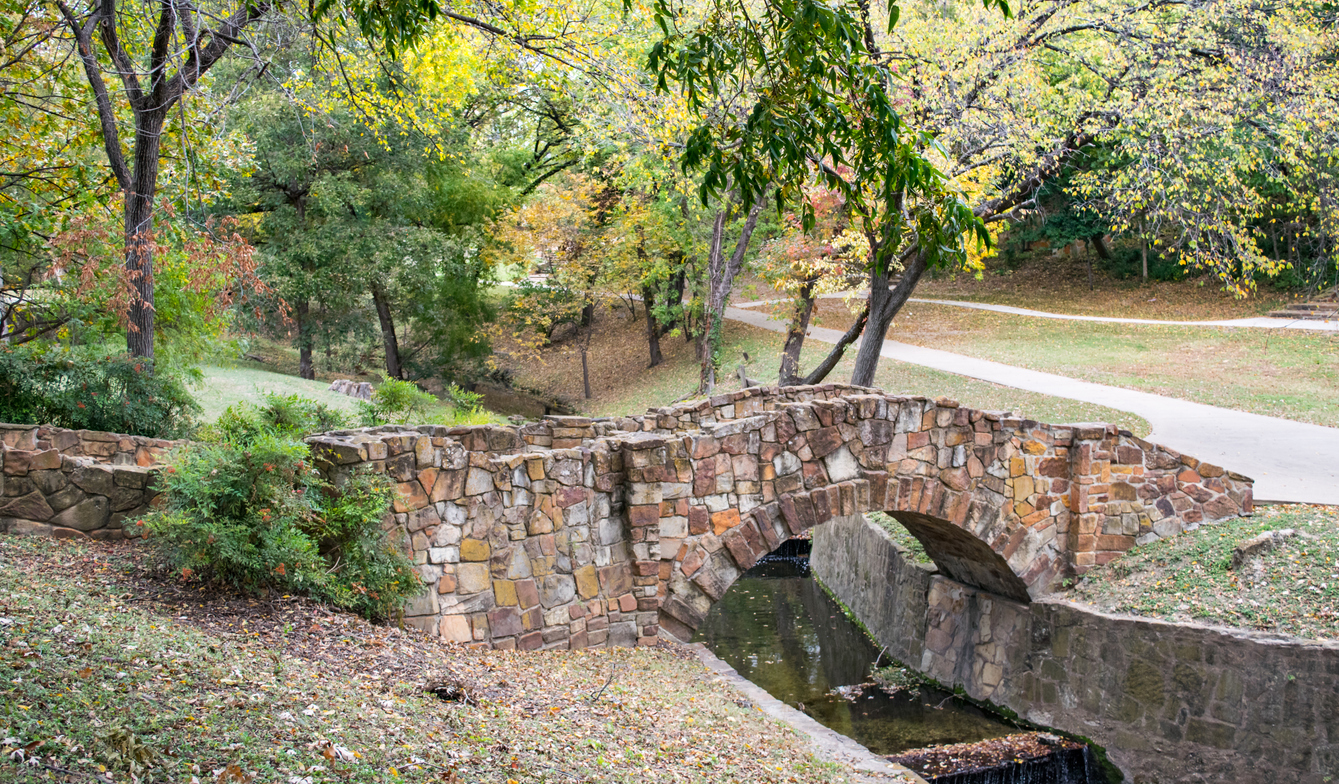
You'll discover that Texas state parks showcase rustic architecture designed to harmonize with nature rather than dominate it. These structures often feature low, horizontal profiles built from regional materials like Hill Country limestone, coastal caliche, and West Texas adobe. Civilian Conservation Corps (CCC) workers used hand-crafted techniques to create refectories, pergolas, and shelters that appear to grow organically from their surroundings. The buildings blend traditional methods—mortise and tenon joints, hand-hewn logs, and native stonework—with landscape-first design principles, creating timeless outdoor spaces that reflect a deep connection between craftsmanship and environment.
What Makes Rustic Park Architecture Different?
Unlike conventional architecture that emphasizes bold forms and visual dominance, rustic park architecture prioritizes integration with the natural landscape. Structures are designed with low silhouettes and earth-toned materials that blend into surrounding terrain rather than stand apart from it. This approach developed in the early 20th century through the National Park Service Rustic style, influenced by Arts and Crafts traditions and early conservation philosophies. Buildings reflect careful site planning, using natural contours, vegetation, and viewsheds as guiding elements. When you examine these structures, you'll notice hand-tooled logs, locally quarried stone, and asymmetrical forms that mimic natural features. Regional adaptations are common—limestone in Central Texas, timber in East Texas, and adobe in West Texas—ensuring each park reflects its environment.
The Building Materials That Define Texas State Parks
View this post on Instagram
The materials used across Texas state parks reflect regional geology and climate conditions. In the Hill Country, parks like Blanco State Park and Garner State Park feature limestone construction that remains durable in fluctuating temperatures. Along the Gulf Coast, parks such as Lake Corpus Christi State Park incorporate caliche and concrete blends suited to humid conditions. In West Texas, adobe and stone structures—like those found near Balmorhea State Park—help regulate interior temperatures in desert climates. At Palo Duro Canyon State Park, native red sandstone creates buildings that visually match the canyon walls. In East Texas, parks like Bastrop State Park use local pine and timber from the Lost Pines ecosystem. Modern upgrades such as ADA-accessible paths are added carefully to maintain the original architectural character.
How Park Structures Blend Into Natural Landscapes
Using local materials is only part of the equation—placement and scale are equally important. Park buildings are positioned to follow natural land contours, often tucked into hillsides or aligned with tree lines to minimize visual impact. In canyon environments like Palo Duro, cabins and shelters appear to emerge directly from rock formations. In forested areas, structures sit low beneath tree canopies, allowing the surrounding landscape to remain the focal point. Key design strategies include:
- Low-profile structures that preserve scenic views
- Natural finishes that weather over time
- Orientation that complements terrain and sunlight
These principles ensure that architecture enhances, rather than competes with, Texas’s diverse landscapes.
Refectories, Pergolas, and Shelters: Signature Rustic Buildings
View this post on Instagram
Refectories—large communal buildings—serve as the social hubs of many Texas parks, combining dining, gathering, and shelter spaces. Built primarily during the 1930s and 1940s by the CCC, these structures often include kitchens, fireplaces, and covered patios. Pergolas and picnic shelters provide shaded outdoor spaces, commonly constructed with timber beams or stone columns. Parks like Bastrop State Park and Caddo Lake State Park showcase classic examples, with exposed wood interiors and handcrafted details. These buildings reflect a balance between function and design, offering durable public spaces that remain in use nearly a century later.
Hand-Hewn Construction Methods in Texas Parks
Behind these enduring structures were CCC workers using traditional tools and techniques. Construction relied on axes, adzes, and chisels, with minimal mechanization. Timber was selected based on availability and durability—cedar and oak for structural elements, pine for accessible framing materials. Stone was cut and fitted by hand, creating tight joints without modern adhesives. Key construction methods included:
- Pegged mortise and tenon joints
- Hand-cut stone masonry
- Natural chinking materials for insulation
These techniques produced buildings that remain structurally sound and visually distinctive today.
How Each Texas Region Shaped Its Park Design
Texas’s varied geography directly influenced park architecture across regions. In the Hill Country, designers emphasized water conservation and limestone construction, adapting to rocky terrain and seasonal droughts. In East Texas, dense forests led to timber-heavy designs with shaded layouts. In West Texas, desert conditions required thick-walled adobe and stone buildings to regulate heat and withstand extreme temperatures. Each region’s design reflects a careful response to climate, vegetation, and terrain, ensuring long-term durability and environmental compatibility.
Bastrop and Palo Duro: Best Examples of Rustic Craftsmanship
Among Texas parks, Bastrop State Park and Palo Duro Canyon State Park stand out as exceptional examples of CCC craftsmanship. At Bastrop, log cabins and stone structures blend seamlessly into the Lost Pines forest, featuring handcrafted wood interiors and native stone foundations. At Palo Duro Canyon, buildings constructed from red sandstone align with canyon walls, creating a unified visual landscape. Notable features include:
- Hand-carved beams and custom woodwork
- Locally sourced stone and timber
- Structures positioned to complement natural scenery
These parks demonstrate how thoughtful design can enhance both usability and natural beauty.
Design Principles Herbert Maier Brought to Texas
Architect Herbert Maier played a key role in shaping Texas park design through the National Park Service Rustic style. His philosophy emphasized site-specific design, where each structure responded to its natural and cultural context. Maier promoted the use of simple materials applied with craftsmanship, ensuring even functional buildings maintained aesthetic value. His approach balanced practicality with artistry, resulting in structures that remain relevant decades later.
Why These CCC-Built Parks Still Define Texas Outdoor Spaces
Nearly a century after their construction, CCC-built parks continue to define Texas’s outdoor spaces. Their durability and thoughtful design allow them to function with minimal structural changes while preserving historical character. These parks remain significant because they established enduring standards:
- Use of regional materials for environmental compatibility
- Integration of architecture with natural landscapes
- Long-lasting construction techniques requiring minimal replacement
Today, visitors still experience these parks much as they were originally designed—spaces where nature and craftsmanship coexist seamlessly.