Austin’s Architectural Story: From Historic to Modern
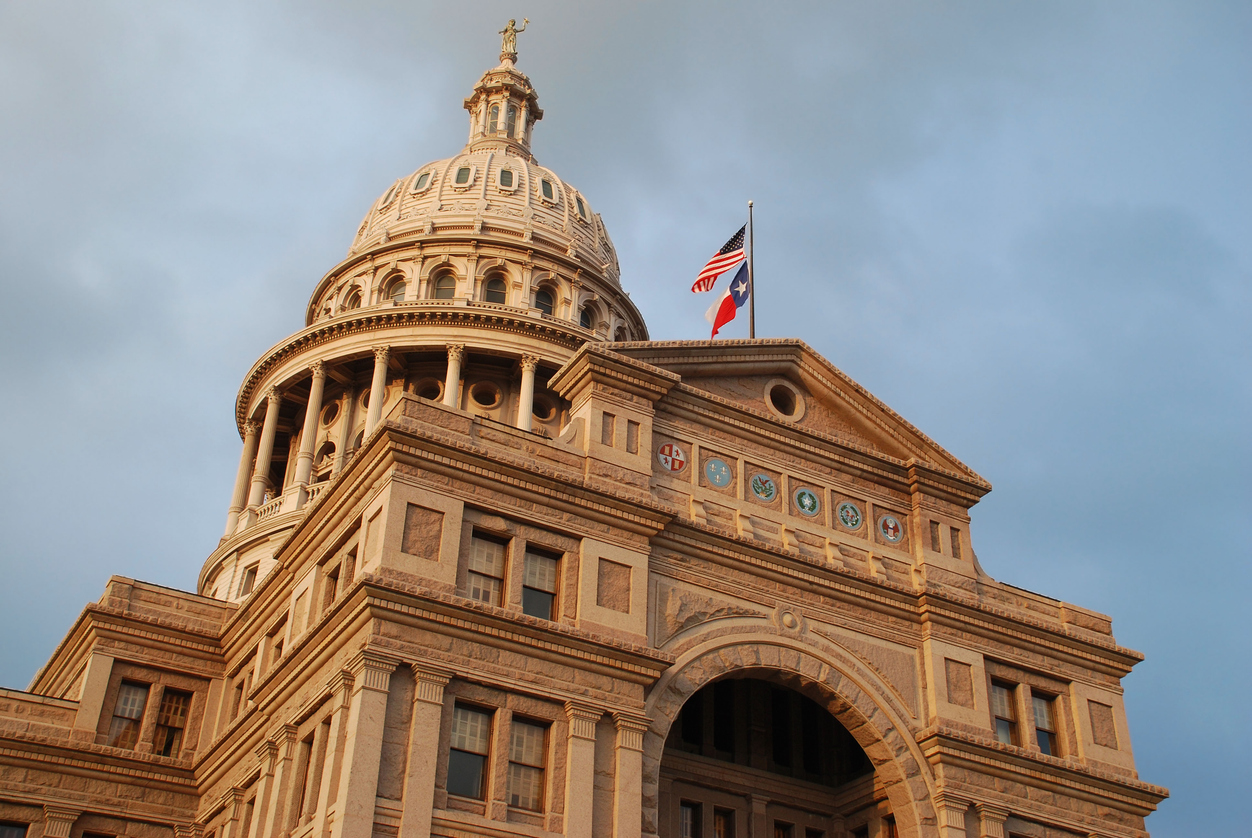
Austin’s architectural story reflects its growth from a small 19th-century capital to a rapidly evolving modern city. Early structures appeared after Austin was established in 1839, followed by landmark developments like the Texas State Capitol (completed in 1888). Today, you’ll find preserved Victorian districts, university landmarks, mid-century neighborhoods, and a skyline of contemporary towers—all contributing to a layered architectural identity.
Austin's First Buildings: Early Structures to Victorian Landmarks
Austin’s earliest buildings emerged in the mid-1800s, after the city was founded as the capital of the Republic of Texas in 1839. These early structures were typically simple wooden or log homes built for practicality in a frontier environment. While log construction was common across early Texas settlements, most original examples in Austin have not survived. Instead, the city’s historic identity is better preserved through later 19th-century buildings. As Austin grew, architectural styles evolved into more refined forms, including dogtrot houses, limestone structures, and early Victorian homes. These reflected improved access to materials and skilled labor. By the late 1800s, neighborhoods began showcasing more decorative architecture, setting the stage for Austin’s preserved historic districts.
The Texas State Capitol: A Landmark of Texas Architecture
View this post on Instagram
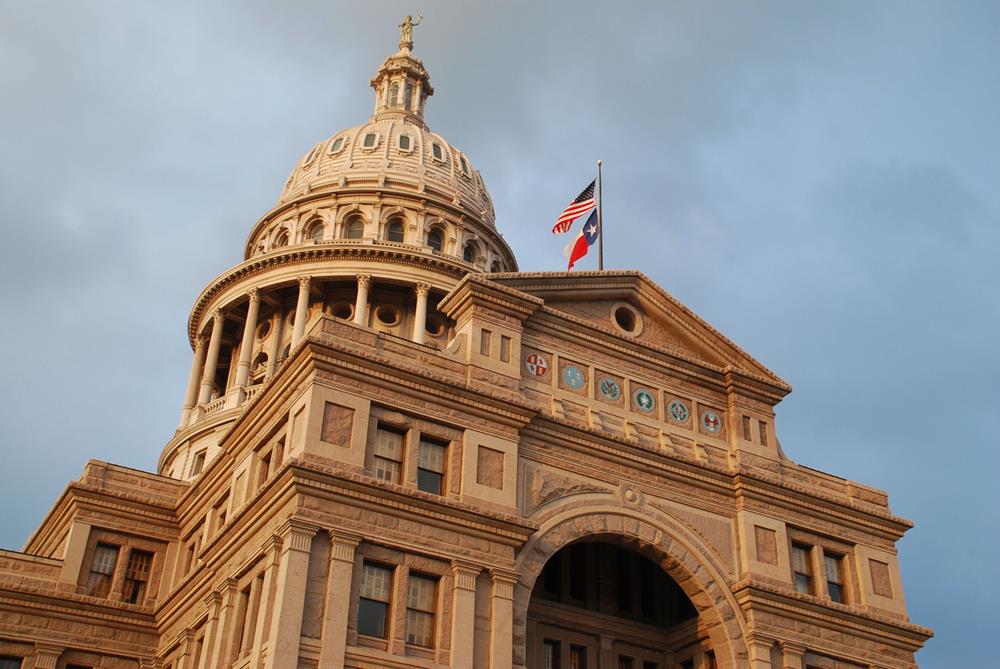
Austin’s architectural identity is anchored by the Texas State Capitol, one of the most recognizable buildings in the state. Designed by architect Elijah E. Myers, construction began in 1882 and was completed in 1888. The building stands 311 feet tall, making it slightly taller than the U.S. Capitol in Washington, D.C. Built from Sunset Red granite sourced from Central Texas, the Capitol features Renaissance Revival architecture, with a prominent dome topped by the Goddess of Liberty statue. The project was funded in part through a land grant in the Texas Panhandle, rather than direct state funding. Today, the Capitol remains both a working government building and a major historic landmark open to visitors.
Historic Buildings You Can Visit in Austin
View this post on Instagram
Austin’s architectural story isn’t just something to read about—you can walk through it in several preserved landmarks open to the public. The Driskill Hotel, built in 1886, remains one of Austin’s most iconic Romanesque Revival buildings. Located on Sixth Street, its grand lobby, marble columns, and historic guest rooms reflect the city’s late 19th-century prosperity. Just a few blocks away, the Paramount Theatre (opened in 1915) showcases early 20th-century Classical Revival architecture. Its ornate interior, original stage, and restored façade continue to host films, concerts, and live performances. Other notable stops include the French Legation Museum (1841), one of Austin’s oldest surviving buildings, and the Governor’s Mansion (completed in 1856), which reflects Greek Revival influences and remains an active residence. These landmarks offer a tangible connection to Austin’s past, blending preserved design with ongoing cultural use.
Victorian Neighborhoods and Streetcar Suburbs in Austin
View this post on Instagram
Austin’s late 19th- and early 20th-century growth is reflected in its historic neighborhoods. The Bremond Block Historic District, located just west of downtown, includes homes built between the 1850s and early 1900s. These residences showcase styles such as Greek Revival, Italianate, and Queen Anne, with detailed woodwork and preserved interiors. Hyde Park, established in the 1890s, became Austin’s first planned suburb and was connected to downtown by an early streetcar line. The neighborhood features a mix of Victorian homes, bungalows, and early 20th-century residences, illustrating the city’s transition toward suburban living. These districts remain some of Austin’s most important examples of historic residential architecture.
Historic Preservation and Districts Across Austin
View this post on Instagram
Beyond Hyde Park and the Bremond Block, Austin maintains several protected historic districts that preserve its architectural heritage.
- Sixth Street Historic District – Known for late 19th-century commercial buildings and nightlife
- Clarksville Historic District – One of Austin’s oldest freedmen’s communities with preserved homes and cultural significance
- Old West Austin Historic District – Features early 20th-century residences and tree-lined streets
- East Austin neighborhoods – Contain a mix of historic homes and culturally significant sites undergoing preservation efforts
The city’s preservation programs help maintain architectural integrity while balancing rapid development, ensuring Austin’s historic character remains visible within its growing skyline.
Railroads and Infrastructure That Shaped Downtown Austin
Austin’s transformation into a connected city began with the arrival of the railroad in 1871, linking it to broader trade networks. Rail infrastructure helped drive downtown development, particularly along East 5th Street and surrounding areas, where early depots and freight operations were located. While the original Union Depot no longer stands, its presence helped establish Austin as a regional hub. Surviving infrastructure, such as historic rail corridors and bridges over creeks like Shoal Creek, reflects this period of expansion. These developments supported economic growth and laid the groundwork for Austin’s evolving urban core.
Schools and Universities That Shaped Austin's Skyline
The University of Texas at Austin, founded in 1883, has played a major role in shaping the city’s architectural identity. Early campus buildings included Old Main (completed in 1899), which served multiple functions before being demolished in 1934. The current centerpiece, the UT Tower (completed in 1937), rises 307 feet and is one of Austin’s most recognizable landmarks. Designed by Paul Philippe Cret, the tower reflects a blend of classical and modern influences. Other notable buildings include Battle Hall (1911), designed by Cass Gilbert, showcasing Mediterranean-inspired architecture. The university’s campus continues to evolve while preserving key historic elements that connect Austin’s academic and architectural heritage.
Mid-Century Modern Homes in Austin Neighborhoods
Austin’s post-World War II growth introduced new architectural styles, particularly mid-century modern and ranch-style homes. Neighborhoods like Delwood, Windsor Park, and South Austin areas feature homes built between the late 1940s and 1960s. These designs emphasize:
- Low-pitched roofs and open floor plans
- Integration with the natural landscape
- Use of local materials like limestone
These neighborhoods reflect Austin’s transition into a modern city while maintaining a connection to its environment. Architect John S. Chase, one of Texas’s first licensed Black architects, contributed significantly to residential and civic architecture in the region, further shaping Austin’s built environment.
Contemporary Austin Towers: Glass, Steel, and Rapid Growth
Austin’s skyline has transformed dramatically since the early 2000s, with a surge in high-rise residential and mixed-use development. Notable buildings include:
- The Independent (2019) – a distinctive residential tower known for its stacked design
- Sixth and Guadalupe (2022) – one of the tallest buildings in Texas
- Fairmont Austin (2018) – a major downtown hotel
- Waterline (under construction) – expected to become the tallest building in Texas upon completion
These structures reflect Austin’s rapid population growth and shift toward urban density, combining residential, office, and hospitality spaces. Modern materials like glass, steel, and concrete define this era, contrasting with the limestone and brick of earlier periods while continuing the city’s architectural evolution.
Public Spaces and Parks in Austin’s Architectural Design
Austin’s architecture extends beyond buildings into its public spaces and park systems, which play a key role in shaping the city’s identity. Zilker Park, located along the Colorado River, serves as a central gathering space framed by skyline views and cultural landmarks. Nearby, Auditorium Shores and the Long Center for the Performing Arts combine landscape design with modern architecture. The Boardwalk at Lady Bird Lake integrates steel, concrete, and natural materials to create a pedestrian-friendly experience that connects neighborhoods while offering scenic views. These spaces demonstrate how Austin blends urban planning, recreation, and architectural design into cohesive environments.
Related posts