DFW Architecture Tour: From Historic Landmarks to Modern Icons
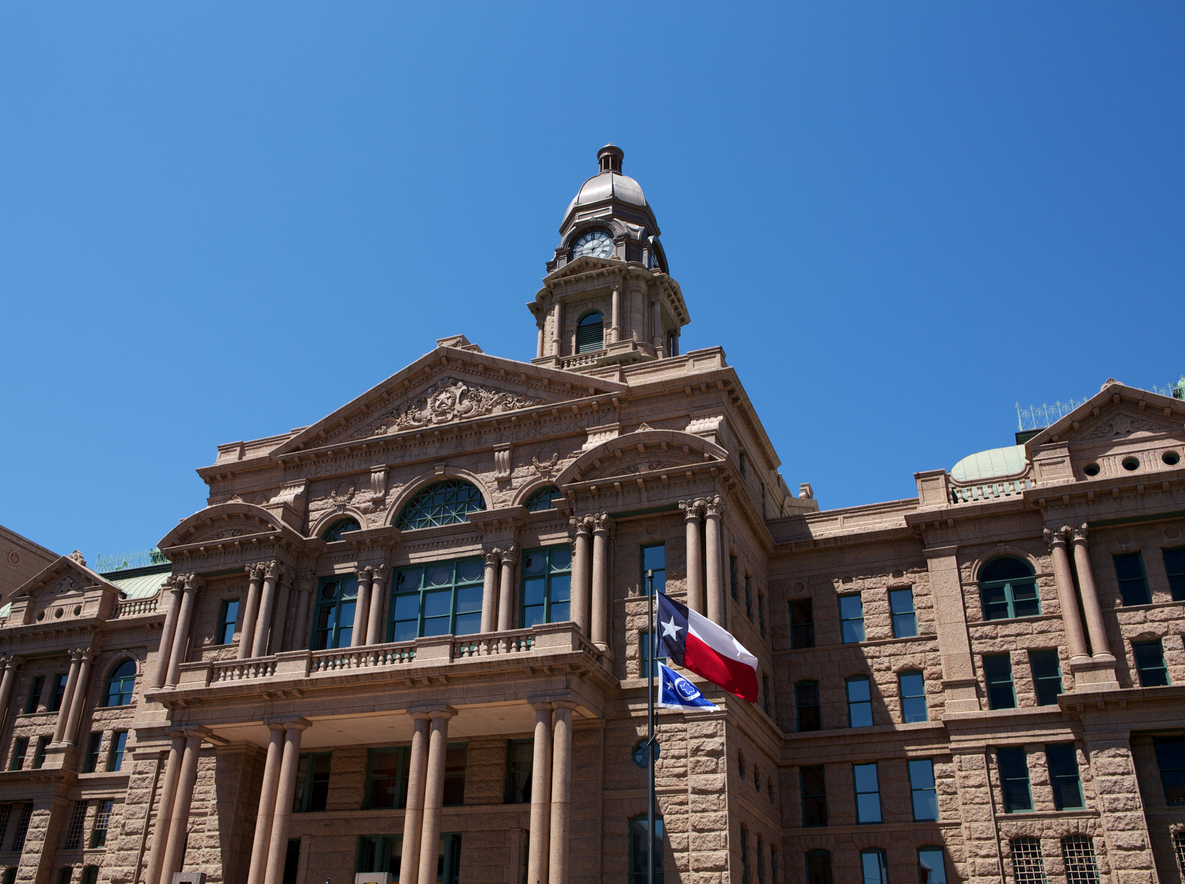
The Dallas–Fort Worth Metroplex offers an impressive range of architectural landmarks spanning more than a century, from historic courthouses and early skyscrapers to world-renowned modern museums. In Fort Worth, you’ll find the iconic Tarrant County Courthouse (1895) and the preserved buildings of the Stockyards, while the Cultural District features works by architects like Louis I. Kahn and Tadao Ando. Across the metroplex, these sites reflect the region’s growth from a frontier trading hub to a major urban center.
Fort Worth’s Pink Granite Courthouse and Historic Landmarks
Fort Worth’s architectural legacy begins with the Tarrant County Courthouse, completed in 1895 and designed by Gunn & Curtis. Built in a Renaissance Revival style using pink Texas granite, it remains one of the most recognizable landmarks in downtown Fort Worth. Nearby, the Land Title Block (1889) at 111 E. 4th Street showcases late 19th-century commercial architecture with brick and stone detailing. The Knights of Pythias Building (1901) at 315 Main Street adds a distinctive medieval-inspired presence with crenellated rooflines and turrets. For residential architecture, the Eddleman-McFarland House (1899)—a Queen Anne-style mansion near downtown—offers insight into Fort Worth’s early affluence.
Sundance Square: Early Skyscrapers and Downtown Revival
Sundance Square reflects Fort Worth’s early embrace of vertical development and its later revitalization. The Burk Burnett Building (1914) is considered one of the city’s first skyscrapers, featuring classical detailing and terra-cotta elements. The Blackstone Hotel (1929)—now restored—represents the city’s Art Deco era, while the Sinclair Building (1930) stands out for its bold geometric ornamentation. The district itself spans over 30 blocks and has been redeveloped since the late 20th century into a vibrant area of shops, restaurants, and performance spaces, blending historic preservation with modern design.
Main Street’s Medieval Revival and Gothic Influences
View this post on Instagram
Fort Worth’s downtown includes rare examples of medieval-inspired commercial architecture. The Knights of Pythias Building is the most prominent example, designed by Sanguinet & Staats and recognized as a Recorded Texas Historic Landmark. Nearby churches and institutional buildings incorporate Gothic Revival elements, including pointed arches and vertical emphasis, reflecting architectural trends that influenced Texas in the late 19th and early 20th centuries. These structures add visual variety and historical depth to the downtown area.
The Cultural District: Kimbell, Modern, and Amon Carter Museums
View this post on Instagram
Fort Worth’s Cultural District is one of the most architecturally significant museum clusters in the United States. The Kimbell Art Museum (1972), designed by Louis I. Kahn, is internationally recognized for its use of natural light through cycloid vaults. The Modern Art Museum of Fort Worth (2002), designed by Tadao Ando, features minimalist concrete pavilions set around a large reflecting pool. The Amon Carter Museum of American Art, originally designed by Philip Johnson (1961) and later expanded, adds another layer of architectural distinction. These museums are located within walking distance, creating a unique opportunity to experience multiple architectural styles in one visit.
Dallas Architectural Highlights: Skyline Icons and Cultural Landmarks
View this post on Instagram
While Fort Worth showcases historic Western and cultural architecture, Dallas delivers a striking mix of modern skyscrapers, iconic landmarks, and Art Deco heritage. One of the most recognizable structures is Reunion Tower, completed in 1978, with its geodesic dome offering panoramic views of the skyline. Nearby, the Hyatt Regency Dallas stands as a classic example of late 20th-century modernism. In downtown Dallas, you’ll find a concentration of contemporary architecture, including:
- Fountain Place – A 1986 I.M. Pei-designed skyscraper known for its angular glass façade
- Bank of America Plaza – The tallest building in Dallas, outlined with green LED lighting
- Perot Museum of Nature and Science – Designed by Thom Mayne, featuring a bold, cube-like structure with sustainable design elements
For historic architecture, Fair Park is one of the most significant Art Deco collections in the United States. Built largely for the 1936 Texas Centennial Exposition, its buildings feature geometric ornamentation, murals, and monumental scale. The Nasher Sculpture Center, designed by Renzo Piano, adds another layer to Dallas’s architectural identity with its minimalist design and carefully filtered natural light. Together, these sites highlight Dallas as a city where historic preservation and modern innovation coexist.
Art Deco Architecture at Will Rogers Memorial Center
View this post on Instagram
The Will Rogers Memorial Center, built in 1936 for the Texas Centennial, is a notable example of Art Deco and Moderne design. The complex includes:
- Will Rogers Coliseum, known for its large, column-free interior space
- The Auditorium, featuring decorative metalwork and geometric detailing
- The Pioneer Tower, a landmark element of the complex
Designed by Wyatt C. Hedrick, the site reflects both functional innovation and decorative style from the early 20th century.
Modern Skyscrapers and Contemporary Design in Dallas
Dallas is known for its distinctive skyline, shaped by bold modern and postmodern architecture. Key highlights include:
- Comerica Bank Tower – A late-modern skyscraper with stepped, geometric massing
- AT&T Headquarters (Whitacre Tower) – A defining feature of downtown Dallas
- Dallas City Hall – Designed by I.M. Pei, with its inverted pyramid form creating a dramatic civic landmark
Recent developments have added glass-clad residential towers and mixed-use buildings, reflecting the city’s continued growth. Neighborhoods like Uptown and Victory Park showcase newer architecture, blending high-rise living with walkable urban planning.
Fort Worth Stockyards: Western Heritage Architecture
The Fort Worth Stockyards Historic District preserves the city’s cattle-trading history through a collection of early 20th-century buildings. Key landmarks include:
- The Livestock Exchange Building (1902), once the center of cattle trading operations
- Cowtown Coliseum (1908), home to one of the first indoor rodeos
- Historic barns and commercial buildings constructed with brick, iron, and wood
While the architecture is primarily functional, elements of Western and early commercial design define the district’s character. The area remains one of the most visited destinations in Fort Worth, combining architecture with cultural experience.
Neighborhood Breakdown for Exploring DFW Architecture
Understanding where to go helps you plan a more efficient architectural tour. Fort Worth
- Downtown/Sundance Square – Historic commercial buildings and early skyscrapers
- Cultural District – World-renowned museums and modern architecture
- Stockyards – Western heritage and early 20th-century structures
Dallas
- Downtown – Skyscrapers and civic landmarks
- Arts District – Museums and performance venues
- Fair Park – Art Deco architecture
- Uptown/Victory Park – Contemporary urban development
Grouping your visits by neighborhood helps minimize travel time and creates a more cohesive experience.
Visitor Tips for Exploring DFW Architecture
To make the most of your architectural tour, plan ahead with a few practical tips.
- Best times to visit: Early morning or late afternoon offers better lighting and cooler temperatures
- Parking: Downtown garages and paid lots are widely available, but availability varies by district
- Walking considerations: Wear comfortable shoes, as many districts are best explored on foot
- Guided tours: Look for local architecture tours in Dallas and Fort Worth for deeper insights
- Photography: Golden hour provides the best lighting for capturing building details and skylines
These tips help ensure a smooth and enjoyable experience while exploring the region’s architectural highlights.