Houston’s Architectural Gems You Should See
Houston’s architectural landscape reflects a blend of historic landmarks, modern innovation, and cultural design influences. From early 20th-century skyscrapers to contemporary museum expansions, the city showcases a wide range of styles worth exploring.
You’ll find standout examples like the Kinder Building at the Museum of Fine Arts, Houston, the historic JPMorgan Chase Building (formerly the Gulf Building), and thoughtfully designed spaces like the Menil Collection. Together, these sites highlight how Houston’s architecture spans decades of growth and global influence.
Understanding Houston’s Architectural Styles
Houston’s buildings reflect a range of architectural styles shaped by different time periods and cultural influences.
- Art Deco: Popular in the 1920s–1930s, characterized by geometric shapes, symmetry, and decorative detailing. Examples include Houston City Hall
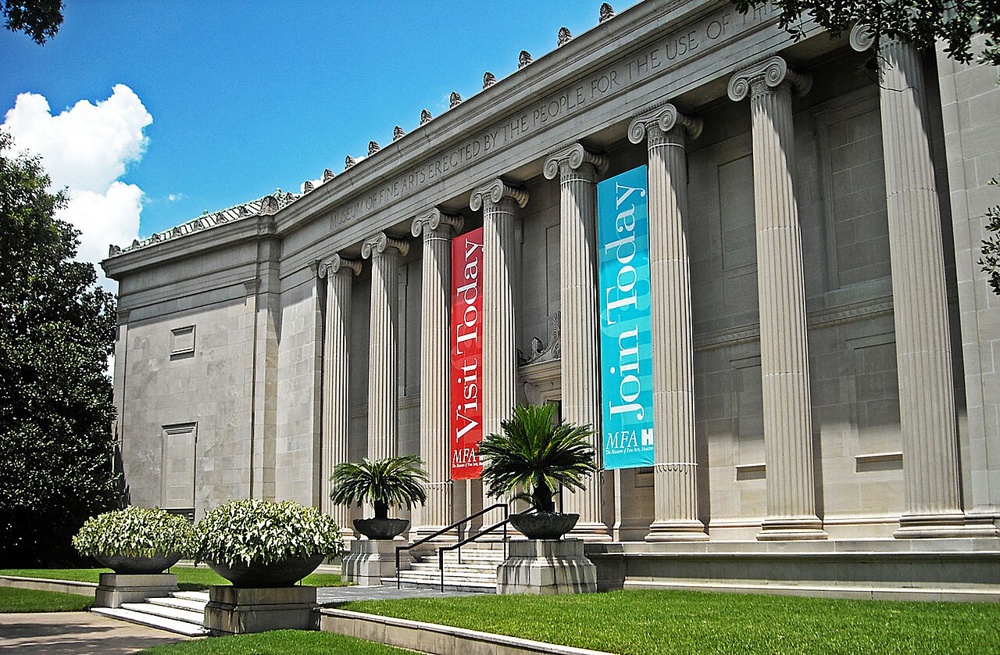
- Modernism: Focuses on simplicity, clean lines, and functional design, often using glass and steel, as seen in the MFAH buildings by Mies van der Rohe
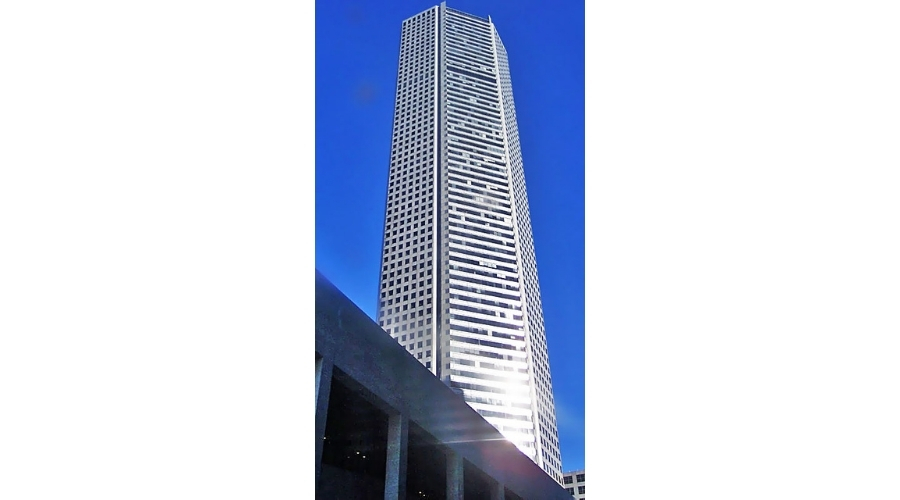
- Postmodernism: Introduced in the late 20th century, combining modern materials with bold shapes and historical references, seen in buildings like Williams Tower
Understanding these styles helps visitors better appreciate Houston’s architectural evolution.
The Kinder Building: Houston’s Translucent Glass Museum
Completed in 2020 by Steven Holl Architects, the Kinder Building is a major addition to the Museum of Fine Arts, Houston (MFAH) campus. The structure houses modern and contemporary art across multiple gallery spaces connected by a central atrium.
The building’s façade is defined by translucent glass tubes that diffuse natural light, creating a soft, alabaster-like glow throughout the galleries. This design helps protect artwork while enhancing the visitor experience with natural illumination.
Located alongside the Caroline Wiess Law Building (Mies van der Rohe) and the Audrey Jones Beck Building (Rafael Moneo), the Kinder Building connects to the campus through underground tunnels and shared public spaces.
Historic Downtown Houston: Gothic Towers and Art Deco Grandeur
Downtown Houston features several architectural landmarks from the early 20th century.
The JPMorgan Chase Building, completed in 1929 and originally known as the Gulf Building, rises prominently with its Gothic-inspired setbacks and limestone façade. Inside, historic details include a grand banking hall and decorative finishes that reflect the era’s craftsmanship.
Nearby, Houston City Hall (completed in 1939) showcases Art Deco and stripped classical elements, with clean lines, stone construction, and a symmetrical design.
Other notable structures include:
- Pennzoil Place (1975): Recognized for its innovative trapezoidal twin towers
- Bank of America Center (1983): A distinctive skyscraper with a neo-Gothic roofline
These buildings demonstrate Houston’s evolution from early skyscraper design to modern commercial architecture.
Renzo Piano’s Menil Collection and Its Famous Light Canopies
The Menil Collection, designed by Renzo Piano and completed in 1987, is one of Houston’s most celebrated architectural works.
Its defining feature is a roof system of curved ferrocement “leaves”, which filter natural daylight into the galleries. This approach allows artwork to be displayed under soft, controlled lighting conditions.
The building blends into its surrounding neighborhood with low-profile design, gray wood siding, and residential-scale proportions, creating a more intimate museum experience. Nearby, the Menil campus includes additional structures such as the Cy Twombly Gallery and Rothko Chapel, further enhancing the area’s architectural significance.
Houston’s Iconic Towers: Williams Tower, Pennzoil Place, and Bank of America Center
Houston’s skyline is shaped by several influential skyscrapers that reflect late 20th-century architectural innovation.
- Williams Tower (1983): A 64-story building in Uptown Houston, once known as the Transco Tower, recognized for its sleek glass façade and prominent location
- Pennzoil Place (1975): Designed by Philip Johnson and John Burgee, this pair of trapezoidal towers redefined commercial building design
- Bank of America Center (1983): Known for its distinctive stepped roofline and Gothic-inspired detailing
These structures highlight Houston’s role in advancing modern skyscraper design.
The JPMorgan Chase Building’s 1929 Gothic Design
Originally called the Gulf Building, the JPMorgan Chase Building was Houston’s tallest structure for decades after its completion in 1929.
The tower features limestone cladding, stepped setbacks, and Gothic-inspired elements, making it one of the city’s most recognizable historic buildings. Its grand lobby includes high ceilings, marble finishes, and decorative details that reflect early 20th-century design.
The building remains a key part of Houston’s downtown architectural identity.
Houston City Hall: Art Deco Architecture From the Great Depression Era
Houston City Hall, completed in 1939 and designed by architect Joseph Finger, reflects a blend of Art Deco and modern classical design.
Built using Texas limestone, the structure features clean lines, geometric detailing, and a balanced façade. Interior elements include terrazzo floors, decorative fixtures, and historical artwork.
Located in downtown Houston, it remains an important example of civic architecture from the late 1930s.
The Museum of Fine Arts Campus: Mies van der Rohe and Rafael Moneo
The Museum of Fine Arts, Houston campus includes buildings designed by internationally recognized architects.
- Caroline Wiess Law Building (1958): Designed by Mies van der Rohe, featuring glass-and-steel modernism
- Audrey Jones Beck Building (2000): Designed by Rafael Moneo, adding contemporary gallery space
- Lillie and Hugh Roy Cullen Sculpture Garden (1986): Designed by Isamu Noguchi
Together, these structures create a cohesive campus that reflects different eras of modern architecture.
The Ismaili Center Houston: Contemporary Islamic-Inspired Design
The Ismaili Center Houston, completed in 2023 and designed by Farshid Moussavi, introduces a distinctive architectural style rooted in Islamic design traditions.
The building features geometric screens inspired by mashrabiya, which filter sunlight and create dynamic shadow patterns. The surrounding landscape includes gardens, reflecting pools, and open gathering spaces, contributing to a peaceful and contemplative environment.
Located near Buffalo Bayou, the center blends modern design with cultural symbolism.
Sam Houston Park’s Historic Homes and Preserved Architecture
Sam Houston Park, established in 1899, preserves several historic structures that reflect Houston’s early development.
Notable buildings include:
- Kellum-Noble House (1847): One of the oldest surviving homes in Houston
- Nichols-Rice-Cherry House (c.1850): A Greek Revival structure relocated to the park
- Pillot House (1868): A Victorian-era home with detailed craftsmanship
- St. John Church (1891): A Gothic Revival church built by immigrant communities
Managed in part by The Heritage Society, the park provides insight into 19th-century architecture and daily life.
San Jacinto Monument and Bayou Bend Collection and Gardens
The San Jacinto Monument, located about 20 miles east of Houston, stands at 567 feet, making it one of the tallest monuments in the world. It commemorates the Battle of San Jacinto (1836) and includes a museum and observation deck.
Bayou Bend Collection and Gardens, once the home of philanthropist Ima Hogg, sits on 14 acres in River Oaks. The estate features a historic mansion, formal gardens, and collections of American decorative arts, blending architecture, landscape design, and history.
Visitor Tips: Hours, Tours, and Entry Information
Planning ahead ensures a smoother experience when visiting Houston’s architectural sites.
- Museum buildings (MFAH, Menil Collection): Typically open Tuesday–Sunday, with free or discounted entry on select days
- San Jacinto Monument: Observation deck access requires a ticket fee, while grounds are free to explore
- Bayou Bend Collection and Gardens: Entry is ticketed, with guided tours available
- Downtown buildings: Most are best viewed externally, though some lobbies are accessible during business hours
Checking official websites before visiting helps confirm hours, admission, and tour availability.