
What Makes Traditional Slate Worth the Investment?
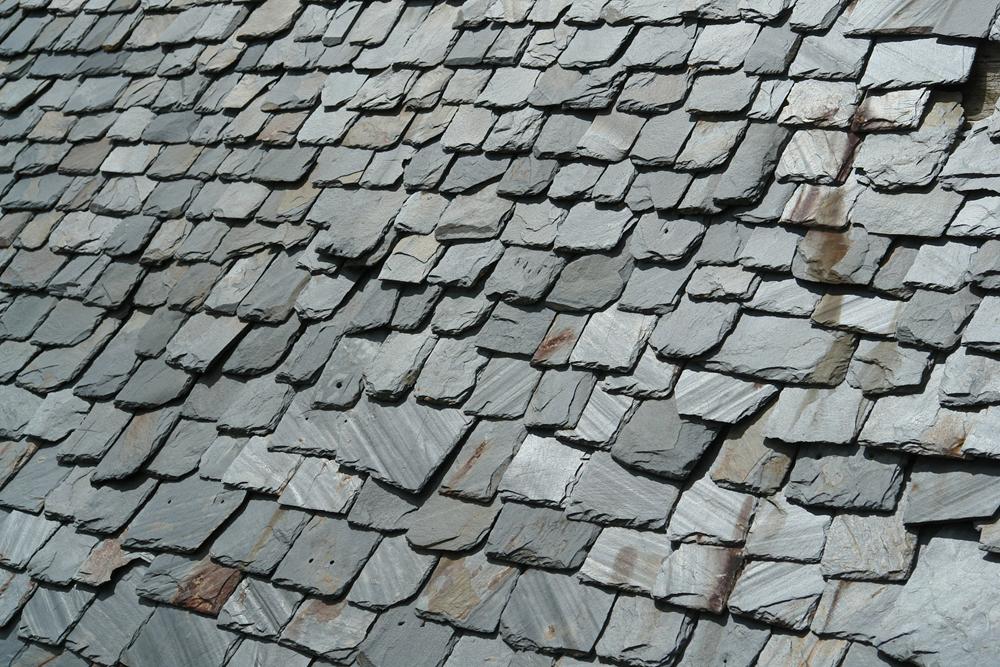
Traditional slate commands a higher upfront price because it combines exceptional durability with a character that manufactured materials struggle to reproduce. A well-designed slate roof can serve several generations, retain its color and support the architectural integrity of an older building. Still, the material only represents good value when the structure can carry it and skilled installers fit it correctly. Before committing, consider the full service life, structural requirements and likely repair needs instead of comparing purchase prices alone.
Lifespan Compared to Synthetic Materials
Natural slate can last for 75 to 150 years, depending on its mineral composition, thickness, exposure and installation quality. Some high-grade slate roofs remain serviceable beyond that range. Synthetic products usually have a shorter expected life, although warranties and performance vary between manufacturers.
A published 50-year cost comparison illustrates why initial price alone gives an incomplete picture. Its figures reflect specific regional assumptions, but the comparison highlights a useful principle: replacement cycles, maintenance and labor all affect lifetime cost.
Ask suppliers for the slate's source, test results and expected service life. You should also compare warranties carefully since coverage may exclude installation errors, storm damage or normal color changes.
Structural Load Considerations for Heavier Stones
Slate weighs considerably more than many synthetic coverings, so the roof structure needs assessment before materials are ordered. A structural engineer or experienced building professional should inspect rafters, trusses, supporting walls and existing signs of movement. Older buildings may have carried slate originally, but previous alterations or decayed timber can change their capacity.
Material choice also affects the load. Slate thickness, tile size, overlap and roof area all contribute to the final weight. When pricing roofing materials, include compatible battens, membranes, fixings and ridge products in the specification.
Never assume that strengthening will be minor. Obtain a written assessment and detailed quotation first, particularly if the current roof uses a lightweight covering or the loft has been altered.
Sourcing and Matching Replacement Tiles
A slate roof rarely fails all at once. Individual tiles may crack, slip or become damaged while the surrounding material remains sound. Keeping a small stock from the original installation makes future repairs faster and helps preserve a consistent appearance.
For an existing roof, match more than the general color. Check the replacement tile's quarry or geological source, thickness, dimensions, surface texture and weathering pattern. Even two gray slates can age differently, with one developing green or purple tones over time. Reclaimed slate may provide the closest visual match, but each piece should be checked for cracks, weakened fixing holes and excessive flaking.
Photograph representative roof areas in natural daylight and take an undamaged sample to the supplier. A roofer can then confirm the required headlap and fixing method before ordering.
Long-Term Value in Historic Preservation
Natural slate often makes the strongest case on period properties where the roof contributes to the building's proportions, texture and historic character. Keeping the original material can also prevent unnecessary alterations to battens, flashings and roof details that were designed around traditional slate.
A slate investment overview outlines durability and property value considerations, though actual returns depend on material grade, workmanship and local market conditions. For protected or historically significant buildings, consult the relevant planning or preservation authority before removing existing tiles.
Arrange periodic inspections after severe weather and have slipped tiles repaired promptly. The real return from traditional slate appears over decades, when careful maintenance allows the roof to age naturally without requiring complete replacement every generation.