
What Mature Trees Mean for Home Extensions
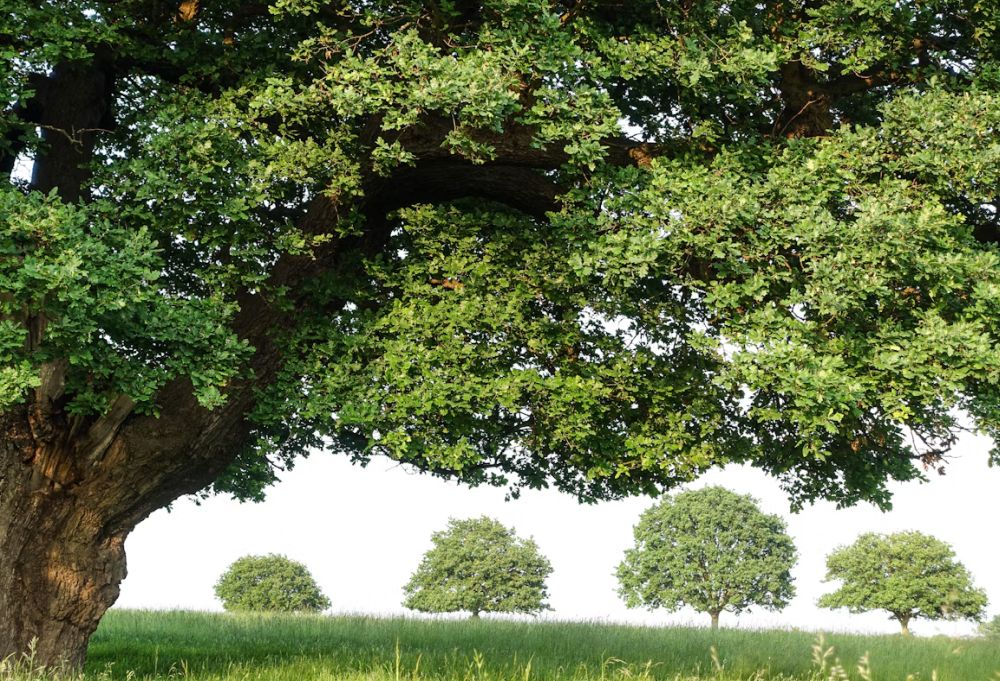
Mature trees can shape the size, position and construction method of a home extension. Their trunks, branches and roots occupy space that may overlap with foundations, walls and access routes.
Early assessment helps your designer preserve valuable trees while avoiding preventable structural problems. It also gives builders clearer boundaries for excavation and material storage. Since great home architecture starts underground, tree planning should begin alongside the foundation design, not after construction drawings are finished.
Mapping the Structural Footprint
Start by plotting every mature tree near the proposed extension, including trunk diameter, canopy spread and distance from the building. A basic site plan should also show the new walls, footings, drainage lines and construction access. This reveals where the design may compete with existing trees.
Foundations placed too close to a trunk can damage major roots, while roots may encounter new barriers as they grow. Consider shifting a wall, reducing the extension's footprint or using a foundation system that limits excavation. The guidance on protecting construction site trees recommends identifying trees for retention early and establishing protected areas before site work starts. Ask an arborist and structural professional to review the same plan, so their advice works together.
Assessing Overhead Encroachment
A tree's canopy may look clear of the proposed roof on a flat drawing, yet branches move in wind and continue growing. Check vertical and horizontal clearance around roof edges, windows, gutters and planned scaffolding. Builders also need room to operate safely without repeatedly cutting branches during construction.
If large limbs already extend across the building zone, arrange an inspection before approving the final design. A qualified tree lopper can assess trimming, canopy thinning or deadwood removal for Gold Coast residential and commercial properties. Any pruning plan should account for the tree's health and natural form. Severe or poorly placed cuts can trigger weak regrowth, leaving future branches more prone to failure near the completed extension.
When to Hire a Tree Lopper
Bring in professional help when branches touch the existing house, block construction access or show signs of decay. Cracks, hanging limbs, hollow sections and recent storm damage also call for assessment. Schedule this work before scaffolding goes up because restricted access can make pruning slower and more disruptive.
Timing matters. Some tree species respond better to pruning during particular growth stages, and nesting wildlife may affect when work can proceed. A professional can identify which limbs require removal and which can remain safely in place. They can also coordinate clearance around nearby utility lines, where property owners should never attempt work themselves. Confirm that the contractor understands the approved building plans, the intended roof height and the space needed for cranes or delivery vehicles.
Guarding Underground Root Systems
Tree roots commonly spread well beyond the canopy edge, with many fine absorbing roots concentrated in the upper soil. Excavators, stored bricks and repeated vehicle traffic can damage them through cutting or soil compaction. Once construction starts, fence the agreed root protection area and keep equipment, waste and chemical washout outside it.
Follow established construction tree protection practices by planning access routes and utility trenches before machinery enters the site. Where work must occur near roots, careful hand excavation or air-based soil removal may expose them with less damage. Avoid raising or lowering the soil level around the trunk. Changes in grade can reduce oxygen or moisture movement and may weaken a tree months after the builders have left.
A mature tree can remain one of the extension's strongest features when its space is treated as a fixed design condition. Mark the protection zone on the drawings and inspect it before excavation begins, when changes are still practical and inexpensive.