Smart Perimeter Planning for Modern Properties
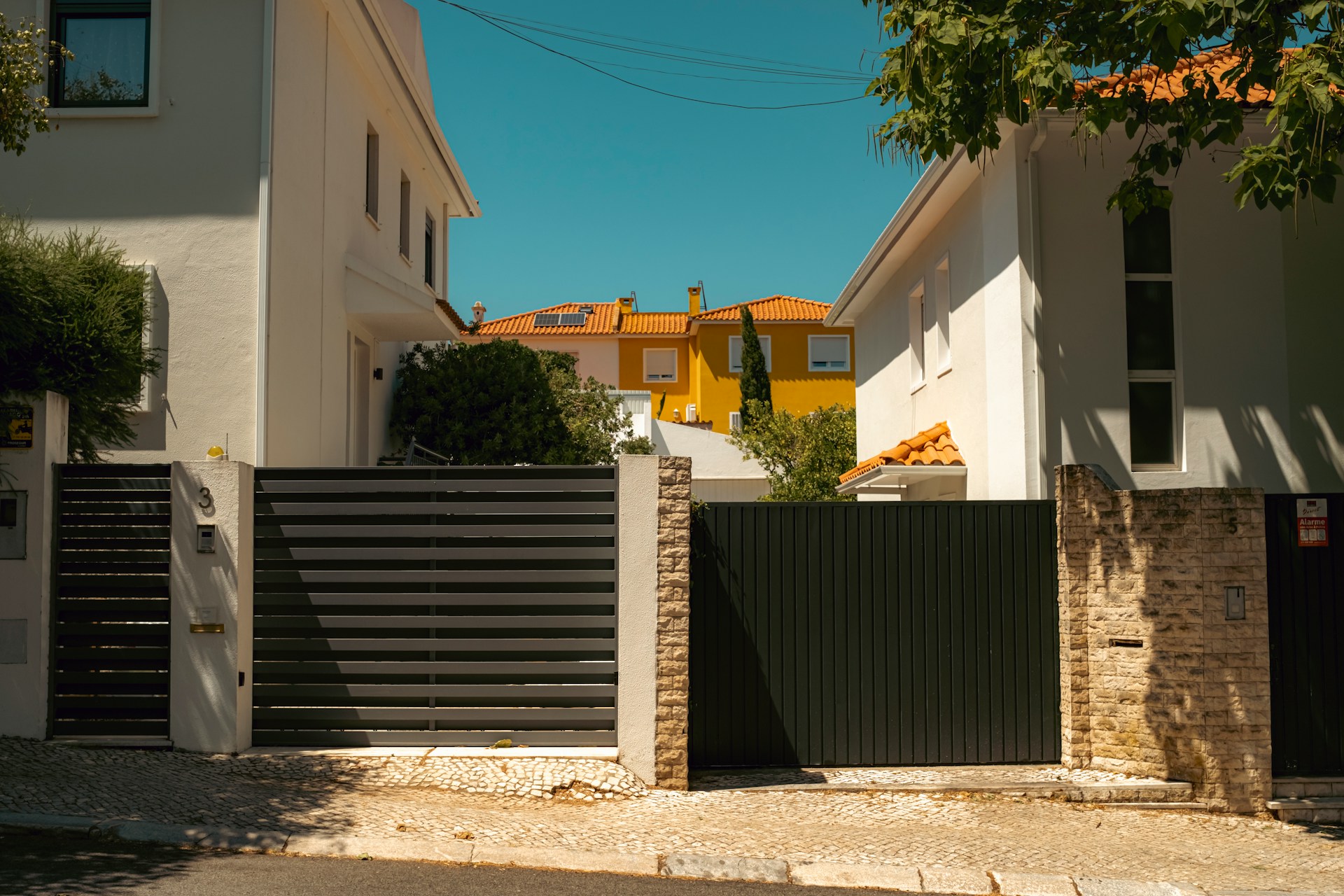
A well-planned property boundary controls access, supports privacy and makes daily arrivals easier. Modern perimeter planning brings gates, fences, lighting and an access control system into one practical design.
The best results come from considering how people, vehicles and deliveries move through the site before selecting materials or technology. This avoids awkward gate positions, unreliable connections and controls that are inconvenient to use.
Beyond Traditional Gate Latches
A manual latch may suit a small garden entrance, but driveways and busy commercial properties often need a more considered arrangement. Start by mapping each entry point and noting who uses it, at what times and for what purpose. A family driveway has different demands from a shared business entrance that receives couriers throughout the day.
Material choice matters too. Quality fencing can define boundaries, improve privacy and complement automatic, sliding or custom gates. Check ground levels, drainage and the space available for gate movement before settling on a design. A sliding model may work well where a swinging gate would obstruct a short driveway or pavement.
Integrating Access Control Systems
Access controls should match the way the property operates. Keypads are useful for regular users, whilst intercoms allow occupants to confirm a visitor’s identity before opening the entrance. Smartphone controls can help when a delivery arrives and nobody is close to the gate.
Keep the system simple enough for every authorised user. If several apps, codes and remote controls are required, people may prop entrances open or share credentials casually. Give each user an individual code where possible, remove access promptly when circumstances change and keep a manual release available for power interruptions.
Connected controls also require sensible smart device security. Change default passwords, install software updates and place internet-connected property devices on a separate network if your router supports one.
Structural Security Meets Automation
Automation works best when the physical structure is sound. Posts must remain stable under repeated movement, hinges need the correct load rating and sliding tracks should stay clear of leaves, gravel and standing water. Sensors and motors cannot compensate for a gate that drags, twists or shifts out of alignment.
Ask the installer where safety sensors will sit and how the entrance will behave if an obstacle is detected. Arrange periodic checks of moving parts, electrical connections and drainage channels. For a gate used 20 times each weekday, a small alignment problem can become disruptive surprisingly quickly.
Power and data cables also need protected routes. Planning those routes during landscaping or construction prevents visible conduit and reduces the chance of later excavation damaging a connection.
Designing for Everyday Convenience
A secure entrance still needs to work smoothly at 7 am in heavy rain. Position keypads where a driver can reach them without leaving the vehicle and place pedestrian controls at an accessible height. Lighting should reveal the entrance, call panel and walking route without shining into neighbouring windows.
Think through less predictable events as well. Couriers may need temporary access, guests may arrive in separate cars and tradespeople may require entry for one afternoon. Time-limited codes can handle these situations without leaving permanent credentials in circulation.
Perimeter controls can also connect with lighting and household routines. The ideas in this guide to home automation blending convenience with style show how connected features can remain discreet. A gate-opening command might switch on the driveway lights after sunset, while a status sensor can confirm that the entrance closed properly.
Before installation, walk the proposed route from the street to the front door and test every decision against that ordinary trip. Check sightlines, turning space, control placement and lighting from both inside and outside the property. A five-minute walkthrough often reveals practical issues that are difficult to spot on a plan, especially where slopes, parked cars or planting affect movement.
The strongest perimeter design is one that becomes part of the property’s normal rhythm. When the gate opens at the right speed, controls sit within easy reach and the boundary materials suit the building, security feels considered without making each arrival complicated.