
How Hidden Water Leaks and Poor Drainage Can Affect Your Home's Foundation
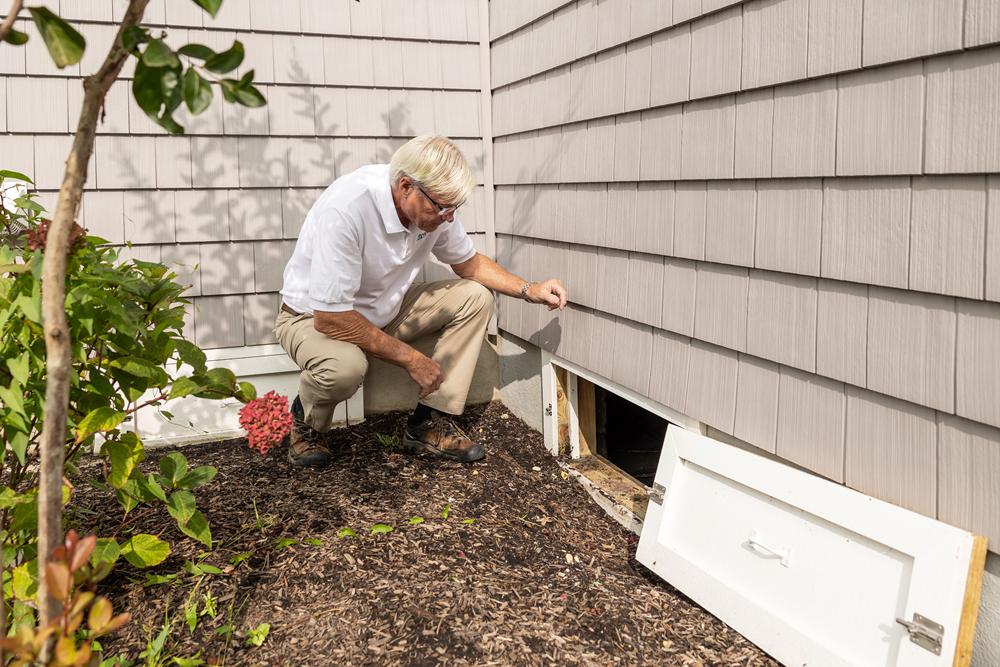
Much of a home's foundation protection happens out of sight. Soil drainage, buried wastewater lines, and moisture-control systems all influence how steadily the ground supports a structure. When one of these systems fails, the first visible clue may appear indoors as a sticking door or a thin wall crack. Understanding what's happening below ground can help you respond before moisture causes expensive structural damage.
The Link Between Subsurface Water and Settling
Water changes how soil behaves under a house. Saturated soil can soften and lose some of its load-bearing strength, while flowing water may carry fine particles away and create small voids. During dry periods, clay-rich soil can shrink. Repeated wet and dry cycles then produce uneven movement beneath footings.
A downspout that empties beside the house is one common source. So are broken supply lines, poor grading, and clogged exterior drains. Guidance on water-related foundation problems explains how persistent leaks can contribute to cracking and settlement.
Walk around the property during steady rain. Water should move away from the walls, and no puddle should remain beside the foundation after the storm passes. Extend short downspouts and repair low areas where runoff collects.
Warning Signs of Hidden Structural Leaks
Watch for several symptoms appearing in the same area. A single hairline crack may reflect normal material shrinkage, but a widening diagonal crack paired with damp flooring deserves attention. Other warnings include musty odors, warped trim, flaking paint, and flooring that suddenly feels uneven.
Hidden moisture can also encourage mold growth and affect indoor air quality. This overview of the dangers beneath foundations covers several conditions homeowners may overlook.
Document changes with dated photos and measure larger cracks monthly. If wastewater odors, unusually green grass, or persistently soggy ground appear near the septic tank or drain field, the system may need professional assessment. Qualified septic tank repair professionals can inspect the tank and related components, identify the source of a leak, and recommend appropriate repairs. Prompt diagnosis can help prevent wastewater from continuing to saturate the surrounding soil.
Mitigating Wastewater Leakage Near Footings
Wastewater leakage requires quick attention because it can affect both sanitation and soil stability. Stop using water-heavy appliances if you notice slow drains, sewage odors, or wet ground near the system. Reducing flow may prevent an already stressed tank or line from releasing more liquid into the surrounding soil.
Keep vehicles, storage sheds, and heavy landscaping equipment away from tanks and drain fields. Their weight can compact the soil or damage buried components. Trees and large shrubs also need suitable clearance because roots may enter weak pipe joints.
An inspection should locate the leak and check the tank, connecting pipes, and absorption area. Repair options depend on the failed component. Pumping can provide temporary relief for an overfilled tank, but cracked pipes, damaged baffles, and failing drain fields need targeted correction.
Long-Term Ground Stabilization Techniques
Start with water control. Maintain gutters, direct roof runoff several feet from the house, and preserve a gentle slope away from exterior walls. Avoid concentrating discharge in one spot, since a forceful stream can erode soil even when it flows away from the structure. When planning new construction or major site changes, account for drainage standards alongside the property's soil conditions and foundation requirements.
Foundation specialists may recommend soil compaction, drainage improvements, underpinning, or grout injection when settlement has already occurred. The correct method depends on soil type, foundation design, and the depth of unstable material. A structural evaluation should guide that decision.
Keep records of plumbing work, septic inspections, drainage changes and crack measurements. These details help contractors distinguish an active problem from old movement. After heavy rain, check the same trouble spots again. Dry soil beside the footing, clear drains, and stable crack measurements offer much better evidence than guesswork.