Building Your Dream Home: From Land to Loan
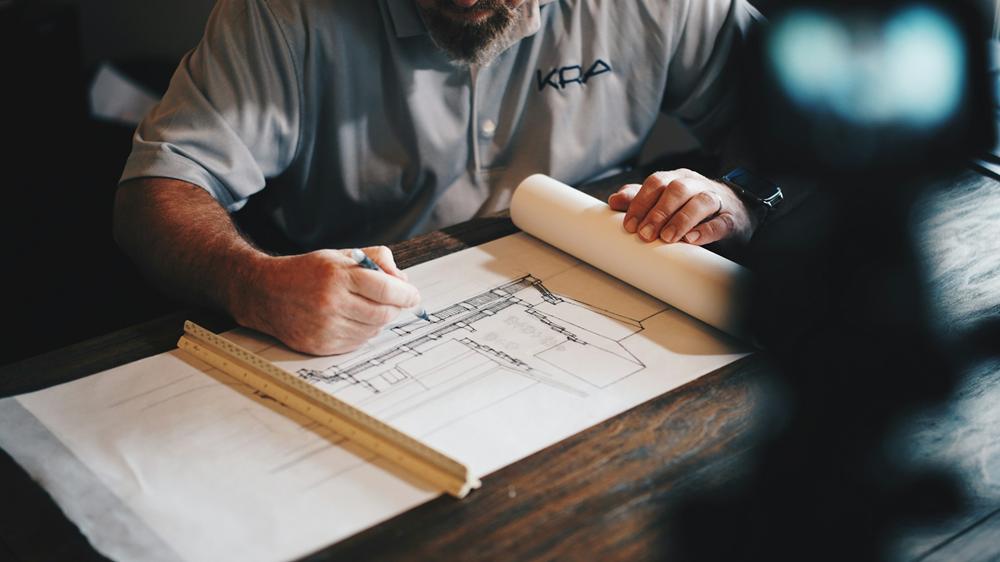
Building your own home, from the ground up, is a truly special achievement. Instead of buying a house that's already there, you get to decide on every single detail, from the room layout to the finish on the light fixtures. This whole process is a big project, mixing creative ideas with practical planning, especially when it comes to money. But if you understand the main steps, from designing your home to getting the right loan, this complex journey can turn into a really rewarding experience.
Designing Your Ideal Residence
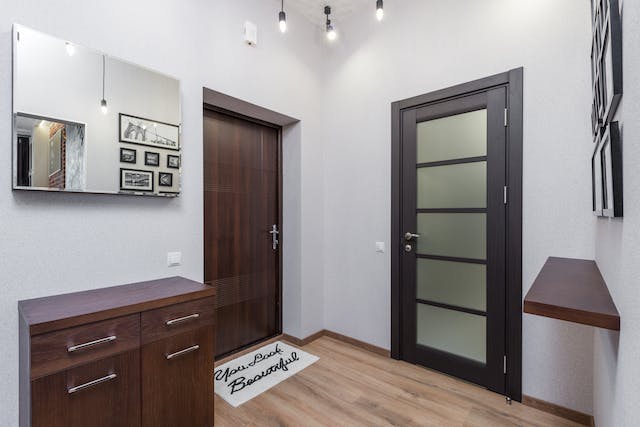
Before any digging starts, your dream home begins as an idea. This first stage is all about turning your daily life, needs, and style preferences into a practical plan. Think about how you live each day. Do you need a big kitchen for entertaining, a quiet home office, or a playroom for the kids? Also, consider your future plans; a home that works for you today should also fit your life in five or ten years.
Working with an architect or a residential designer is crucial for bringing your vision to life. They can help you fine-tune your ideas, make sure the layout is practical, and create construction-ready plans that follow local building rules.
Choosing the Right Building Materials
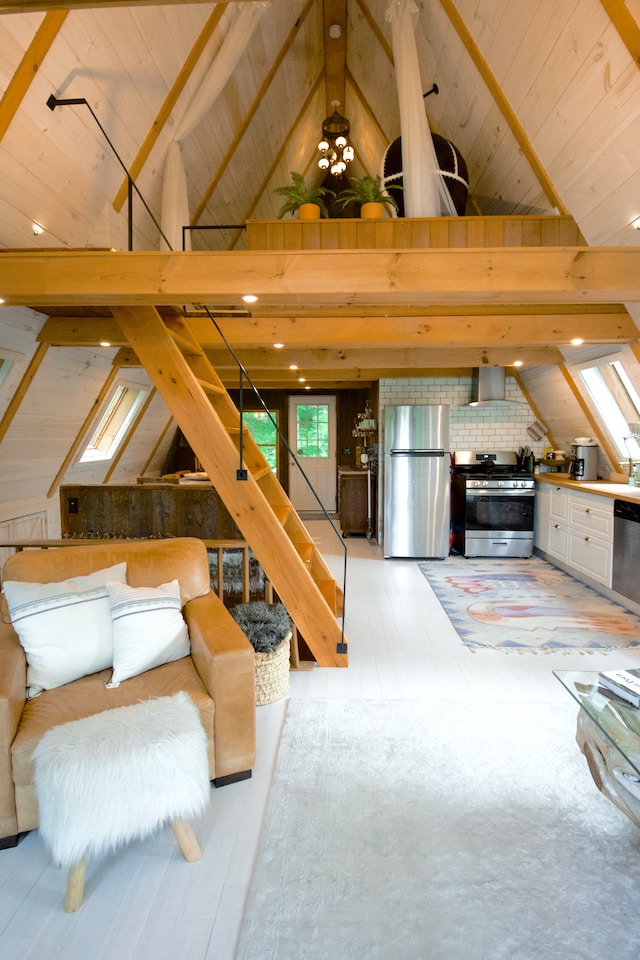
The materials you pick will shape your home's look, how long it lasts, and how much upkeep it needs. Your choices will be a balance between your budget, what you like aesthetically, and practical things like your local weather. For example, while stucco is popular in dry, warm places, brick or fiber cement siding might be better for areas with harsh winters and lots of rain.
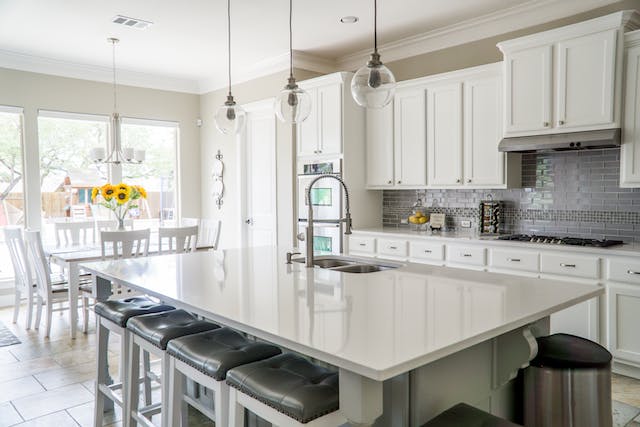
Inside, your choices are just as important. Flooring options like hardwood, tile, and luxury vinyl each offer different benefits in terms of wear, feel, and cost. For countertops, you might compare the natural beauty of granite with the durability and easy care of quartz. It's also a good time to think about energy-efficient materials, like high-performance windows and advanced insulation, which can cut your utility bills for years to come.
Construction Loan Essentials
Financing a new build is different from buying an existing house. Instead of a regular mortgage, you'll probably need a construction loan. This is a short-term loan that covers building costs, from labor and materials to permits. Unlike a traditional mortgage, which gives you all the money at once, a construction loan pays out in stages, or "draws," as work gets done and inspected.
Lenders will want to see detailed plans, a realistic budget, and a contract with a reputable builder before they approve the loan. They need to be sure the project is doable and that the finished home will be worth the amount borrowed. Being financially prepared and having all the necessary documents ready can help make the approval process smoother.
Comparing Home Financing Options
Once construction is finished, you need to pay off the construction loan. Usually, this means turning it into a permanent, long-term mortgage. Some lenders offer a "construction-to-permanent" loan, which is one loan that covers both phases. This simplifies things and could save you on closing costs. Otherwise, you can get a separate mortgage to pay off the construction loan once your house is complete.
Either way, it's smart to shop around for the best terms on your permanent financing. Interest rates, loan terms, and fees can vary a lot between lenders, so comparing several mortgage quotes can help you see what's available and find a more competitive option. This gives you a clearer picture of the long-term cost before you commit.
Navigating the Pre-Approval Process
Getting pre-approved for your financing is a crucial early step. A pre-approval letter shows builders and land sellers that you're a serious, qualified buyer. For a construction project, it sets your total budget, giving you and your builder a clear financial framework to work within. Without a solid idea of what you can afford, project costs can easily get out of hand.
The pre-approval process involves a lender checking your credit, income, assets, and debt to figure out how much you can responsibly borrow. You'll need to provide documents like pay stubs, tax returns, and bank statements. While it means some paperwork, having a pre-approval in hand gives you the confidence to move forward with architects, contractors, and buying land.
Project Management for Home Builders
Even with a great general contractor, you play an important part in managing your home-building project. Staying organized and communicating well is key to keeping everything on track and within budget. Schedule regular check-ins with your builder to review progress, ask questions, and deal with any issues that come up.
It's also smart to set aside a contingency fund, usually 10-15% of the total construction cost. This covers unexpected expenses or changes you decide to make along the way. Keep all your documents, including the contract, change orders, and receipts, in one place. Being an active, informed participant helps make sure the final product matches your vision and that there are no big surprises at the end.
Building a custom home is a huge undertaking, but with careful planning at every stage, you'll end up with a space that's truly yours.