
How Online Slot Games Have Changed Over the Years
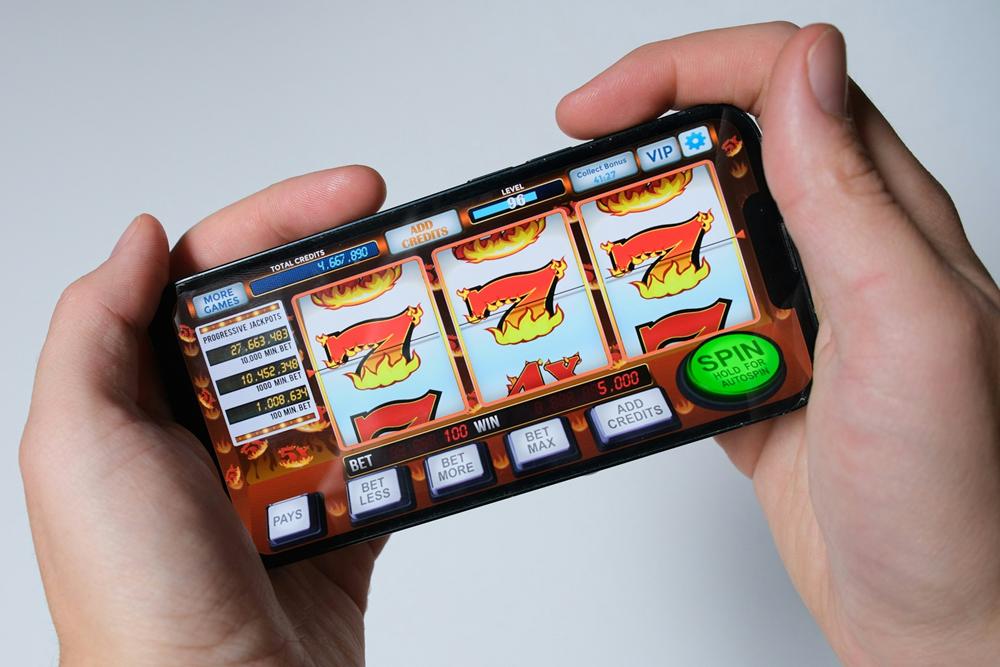
The simple, three-reel slot machine of the past has transformed into a complex and immersive digital experience. What was once a mechanical contraption of gears and levers is now sophisticated software, accessible from anywhere with an internet connection. This change didn't happen overnight. It's a story of technological progress, shifting player expectations, and creative innovation that has completely reshaped online gaming. From basic fruit symbols to epic cinematic adventures, the journey of the online slot game mirrors the broader changes in our digital lives.
Looking at this transformation shows us not just how one type of game has changed, but how entertainment itself has become more interactive, personalized, and accessible. The basic idea of matching symbols on a line is still there, but everything else around that simple mechanic has been reinvented countless times.
From Mechanical Reels to Digital Pixels
The earliest slot machines were engineering marvels. With clanking gears and physical reels spinning behind glass, they offered a straightforward, tangible experience. The move to digital started with video slots in land-based casinos, which swapped mechanical parts for a screen and a computer program. But the real revolution began when these games went online in the mid-1990s.
The first online slots were quite basic. They often tried to copy the look and feel of their physical cousins, featuring three reels, classic symbols like cherries, bells, and BARs, and a single payline. Graphics were simple, and sounds were usually just basic digital chimes. Their main draw was convenience: the ability to play from home. The evolution of slot machines from these early digital versions to what we see today has been fueled by rapid advances in software development and internet speeds. As computers got more powerful and connections more stable, developers could break free from simple designs and start experimenting with more complex ideas.
The Rise of Themed Adventures and Complex Narratives
One of the biggest changes in online slots has been the shift from generic symbols to rich, themed experiences. Early games were defined by how they worked, but modern slots are often defined by their stories. Developers now pull inspiration from all corners of pop culture, including mythology, history, movies, and fantasy literature. You can find games that take you on an adventure through ancient Egypt, into the depths of the ocean, or on a quest alongside Norse gods.
This shift has turned slot games into a form of narrative entertainment. Players aren't just spinning reels; they're interacting with characters, unlocking parts of a story, and experiencing a world built with detailed graphics and cinematic sound design. The importance of symbol design in slot machines becomes especially clear in themed games, where symbols help reinforce the setting, characters, and overall visual identity. This variety means there's a game for almost every interest.
Online platforms have become huge libraries, with some offering thousands of distinct titles. For instance, a quick look at salju88aba.com shows a massive collection of games spanning countless themes and styles, highlighting just how diverse the market has become. This thematic depth gives players a reason to choose one game over another beyond just the potential payout, making for a more engaging and personalized experience.
Technology That Powers the Modern Spin
Beneath the flashy graphics and engaging themes of modern online slots lies sophisticated technology that ensures fairness and creates dynamic gameplay. At the heart of every digital slot machine is the Random Number Generator (RNG). This complex algorithm produces sequences of numbers at millions or billions per second. When you hit "spin," the RNG provides a random number that matches a specific combination of symbols on the reels. This system guarantees that every spin is independent and unpredictable, making the outcome completely a matter of chance.
Modern technology has changed slot games in other ways, too. Advances in HTML5 have made it possible to create games that run smoothly on any device without needing special software or plugins. This cross-platform compatibility is a huge step up from the early days of Flash-based games, which were often buggy and insecure. High-definition graphics, 3D animations, and professionally composed soundtracks are now standard, creating an immersive experience that rivals many video games. These technological foundations are crucial for both the integrity and the entertainment value of today's online slots.
Gamification and Interactive Bonus Features
Another major evolution is the addition of "gamification" elements, features usually found in video games that are designed to boost engagement and reward players for their time. Early slots had very simple bonus features, if any at all. You might get a few free spins or a basic "pick a box" bonus round. Today, bonus features are often multi-layered, interactive mini-games that require player input.
These can include:
- Cascading Reels: Winning symbols disappear, and new symbols fall into place, creating chances for multiple consecutive wins on a single spin.
- Expanding Wilds: Special symbols that expand to cover an entire reel, increasing the likelihood of forming winning combinations.
- Skill-Based Rounds: Some bonus games introduce elements of skill, where how well a player performs in a mini-game can influence the size of their reward.
- Progressive Storylines: In certain games, triggering bonus rounds repeatedly can unlock new chapters of a story or new game areas.
The future of gamification in this area continues to grow, with developers constantly looking for new ways to make gameplay more interactive. Leaderboards, achievements, and in-game "currencies" that can be used to unlock features are becoming more common, blurring the lines between traditional slot gaming and modern video gaming.
Mobile Gaming: Slots in Your Pocket
The rise of the smartphone has arguably been the single biggest driver of change in the online gaming industry over the last decade. Before smartphones became common, online gaming was tied to a desktop computer. Now, most players access these games through their mobile devices. This shift forced developers to completely rethink how they design games.
Mobile-first design is now the industry standard. This means creating games with interfaces that are easy to use on a small touchscreen, with buttons that are simple to tap and graphics that look sharp on various screen sizes. Games are optimized for both portrait and landscape modes, and they're designed to use less data and battery power. The convenience of being able to play for a few minutes while waiting in line or during a commute has opened up online slots to a much wider audience. This accessibility has fueled further innovation, as developers compete to create the most compelling and user-friendly mobile experiences.
Looking Ahead: What's Next for Online Slots?
The evolution of online slot games is far from over. As technology keeps advancing, we can expect to see even more exciting innovations. Virtual Reality (VR) and Augmented Reality (AR) are two areas with huge potential. Imagine stepping into a fully immersive virtual casino, walking up to a slot machine, and pulling a virtual lever. VR slots could offer a level of immersion that's currently impossible, creating a social and highly interactive environment.
Artificial intelligence (AI) could also play a bigger role, personalizing the gaming experience for each player. An AI could learn a player's preferences for themes, volatility, and bonus features, then recommend games they're most likely to enjoy. As the technology matures, tomorrow's games may look as different from today's slots as today's look from the mechanical one-armed bandits of the past.
The journey from simple mechanical devices to complex digital worlds has been remarkable. Driven by technology and a desire for more engaging entertainment, online slots have become a dynamic and ever-changing part of the digital landscape.