
Architectural Red Flags Every Property Buyer Should Spot
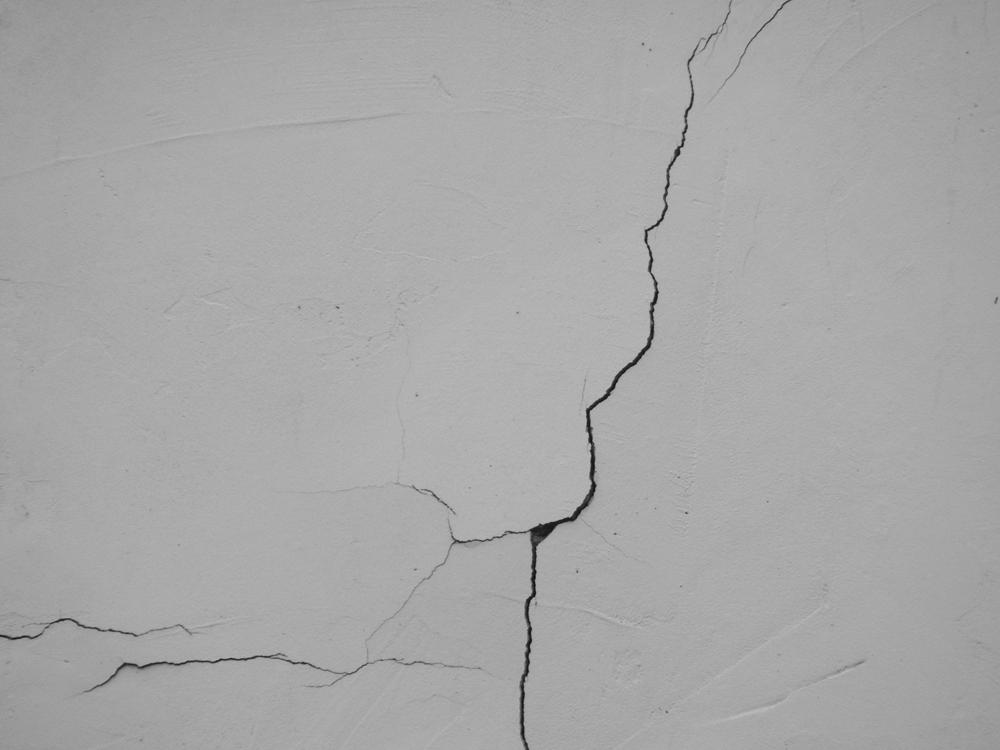
Discovering cracks in walls, sticking doors, or uneven floors during a property viewing can turn an exciting home purchase into an expensive worry. What looks like a minor cosmetic flaw could signal deeper foundation problems, leaving buyers facing unexpected repairs and financial uncertainty. Knowing which warning signs matter, how soil movement affects a property, and what inspections should uncover can help you avoid costly surprises and make a more confident buying decision.
Diagonal Wall Cracks and Sticking Doors
A thin, stable crack in an older plaster wall may come from normal aging. Diagonal cracks extending from the corners of doors or windows are more concerning, especially when they widen toward one end. The National Association of Realtors explains which wall crack patterns may signal a structural problem.
Open and close several interior doors during a viewing. A single sticking door might need a hinge adjustment, but several misaligned doors on the same side of a house can indicate movement. Other structural warning signs include sloping floors, sagging ceilings, and gaps between walls and trim.
If an inspector flags related symptoms, seek guidance on what to do if a home inspection finds foundation issues before finalizing the transaction. A focused structural assessment can clarify the cause and the likely scope of work.
The Science of Subsoil Settlement
Every building transfers its weight through its base into the soil below. Trouble can arise when that soil compresses unevenly, changes moisture levels, or contains poorly compacted fill. Clay-rich ground is particularly sensitive because it can swell when wet and shrink during dry periods.
Drainage also affects soil behavior. A leaking pipe, short gutter outlet, or low area beside the house can saturate one section of ground while the rest stays relatively dry. This imbalance may cause one part of the structure to move more than another. As you assess these warning signs, understanding how hidden water leaks and poor drainage can affect a home's foundation can help explain why moisture problems sometimes lead to cracks and uneven settlement.
Look for soil pulling away from exterior walls, standing water after rain, and downspouts that empty beside the building. Ask sellers about past plumbing leaks, drainage work, and periods when cracks appeared. Those details help an inspector distinguish ongoing movement from an old issue that has stabilized.
Managing Flaws Identified by an Inspector
Treat the inspection report as a starting point, not a final diagnosis. General home inspectors identify visible symptoms and recommend further evaluation when a defect falls outside their scope. If the report mentions possible structural movement, arrange an assessment from a qualified structural professional or foundation specialist.
Ask for written findings that explain the likely cause, affected areas, and recommended repair. Photographs and measurements create a useful baseline if you need to monitor changes over several months. You should also request permits, invoices, and warranties for any previous work.
Avoid relying on a seller's verbal assurance that a crack has "always been there." If the defect could affect your purchase, discuss your options with your real estate and legal professionals before inspection deadlines expire. Depending on the contract, you may request repairs, seek a price adjustment, or decide the property carries too much uncertainty.
Budgeting for Ground Stabilization
Repair costs depend on the cause and the amount of movement, so an early estimate based only on a crack's appearance can be misleading. Work may involve drainage improvements, soil moisture management, or support beneath part of the building. Interior finishes such as drywall, tile, and trim may also need attention after structural work is complete.
Request itemized proposals that separate structural work from cosmetic restoration. Confirm whether the quote includes engineering plans, permits, excavation, cleanup, and follow-up measurements. Warranty terms matter too, particularly if coverage transfers to a future owner.
Keep a contingency above the quoted amount for concealed damage found after work begins. You should also ask your insurer and lender how a documented structural concern could affect coverage or financing. These conversations can expose costs that don't appear in the contractor's proposal.
A crack or uneven floor doesn't automatically rule out a property. The deciding factor is whether qualified professionals can identify the cause, define the remedy, and attach realistic costs to the work. Keep copies of every report and proposal, then compare those documents with the property's price and your tolerance for future maintenance before moving ahead.