The Biggest Energy Guzzlers In Your Home
With energy prices at an all time high, it’s crucial to understand how we are using energy within our homes. Specifically, it could be important to identify exactly which appliances and systems are consuming the most energy. While there are likely to be many different contributors from TVs to ovens, much of the energy consumption in our home can be blamed on these five main offenders: HVAC, water heaters, lighting, refrigerators/freezers and washers/dryers. In this post, we’ll take a deeper look at each of these energy guzzlers, and what to do to make each of them less power hungry so that you can spend less on your bills.
HVAC
HVAC is to blame for almost half of the energy usage in our homes (about 40 to 50% on average). Heating uses up the most energy - as a result, homes in cooler climates tend to use much more energy than those in warmer climates. Setting the temperature a degree or two lower on your thermostat during cold weather could save you lots of money each year. It’s also important to consider the age and condition of your HVAC system. Worn out components and old technologies like single-speed motors can lead to increased energy usage. If your HVAC system is very old, it might be worth investing in an HVAC upgrade to lower your bills in the long run.
Water heaters
Water heaters are responsible for 14 to 18% of a home’s energy usage making them the second biggest energy guzzler. Hot water is used for many purposes including showering, bathing, washing dishes and in some homes central heating via radiators. Larger households and homes in colder climates are likely to use more hot water. How can you reduce water heater energy usage? Taking less baths and more showers, reducing shower length and not leaving the hot faucet running while washing dishes can all make an impact. Consider also switching a traditional tank system for a more energy-efficient tankless system.
Lighting
About 10% of energy in the average US home is consumed by lighting. Homes that use incandescent bulbs may use as much 80% more energy than homes with LEDs. Switching to LEDs is therefore the best thing you can do to reduce energy consumption caused by lighting. However, there are other measures you can take too such as turning lights off in rooms you’re not in and installing motion-sensing lights for exterior lighting.
Refrigerators/freezers
Another 10% of energy in your home could be the result of refrigerators and freezers. They’re the most power-hungry kitchen appliance - largely because they have to be kept running at all times. Modern refrigerators are significantly more energy-efficient than those from 20 years ago. If your fridge is ancient, consider whether it could be time to upgrade to a newer model - particularly if you’ve already had to make repairs due to wear and tear.
Washers/dryers
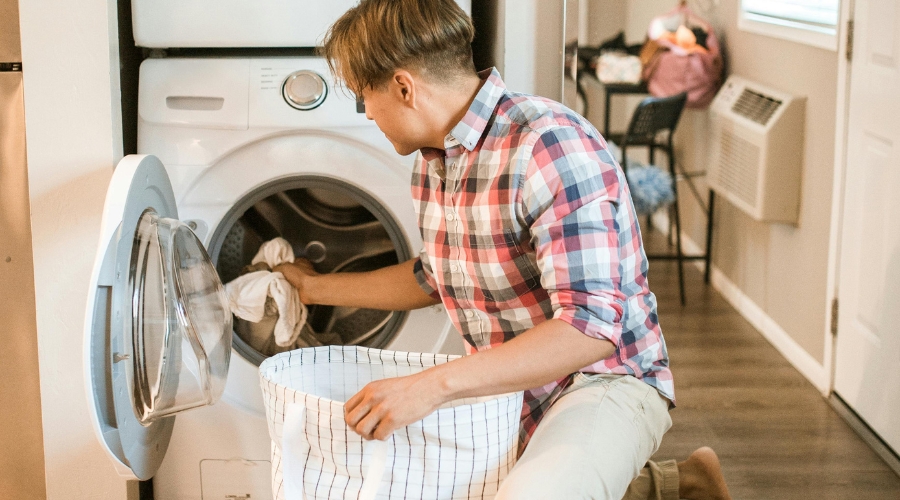
Washing machines and tumble dryers could be responsible for another 10% of energy usage in your home - especially in larger households in which the washing machine and dryer are being used most days. To reduce energy usage from laundry and drying, make sure that you are washing full loads and not just half loads. As with refrigerators, you should also be wary of using very old washers and dryers - if these appliances are 15 years or older, it could be time to invest in newer models, which are likely to be a lot more energy-efficient.